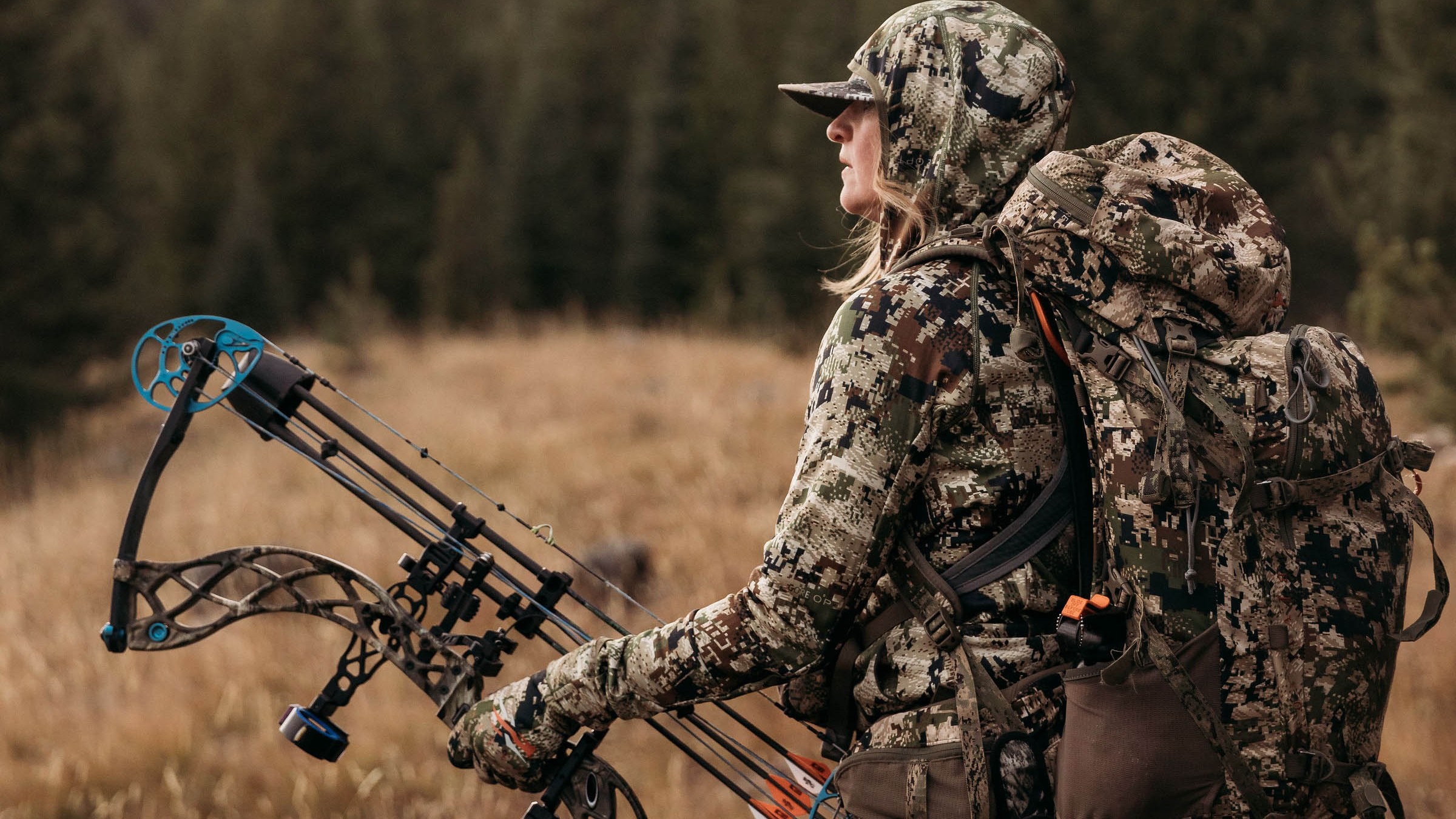
Best Hunting Gloves: Cold-Weather Tested for 2026
Affiliate Disclosure: This article contains affiliate links. If you purchase through these links, we may earn a commission at no extra cost to you. This helps support our site and allows us to continue creating in-depth gear reviews. Our recommendations are based on independent testing and research.
Cold hands have ended more hunts than bad luck ever will. When your fingers go numb, you can't draw a bow, work a safety, or make an accurate shot. After decades of sitting in treestands from Georgia to Wisconsin, I've learned that hand warmth is one of the most critical and most neglected aspects of cold-weather hunting preparation.
Last season, I tested 14 different hunting glove and mitten systems across temperatures ranging from 45°F down to -8°F. I evaluated each option on warmth, dexterity, noise, scent control, and durability. The results challenged some of my long-held assumptions and revealed clear winners for specific temperature ranges and hunting styles.
Why Hunting Gloves Are Different
Regular winter gloves fail hunters for three specific reasons. First, most winter gloves prioritize warmth through bulk, sacrificing the dexterity needed to operate a trigger, release, or safety mechanism. Second, they're made with materials that generate noise—nylon shells rustle against bowstrings and gun stocks. Third, they retain human scent in synthetic materials that off-gas odors detectable by a deer's nose from 100+ yards.
🎯Want our complete Buying Guides checklist? Download it free — field-tested and printable.
Download Free ChecklistPurpose-built hunting gloves address these issues with quiet exterior fabrics, strategic insulation placement that preserves trigger-finger sensitivity, and scent-reducing treatments or natural fibers that minimize odor retention.
Understanding the Layered Hand System
Just as you layer your body clothing, the most effective approach to hand warmth uses a layered system that adapts to changing conditions throughout the day:
Base Layer: Merino Wool Liners
A thin merino wool liner glove serves as your foundation. Merino provides warmth even when damp (hands sweat during walks to the stand), naturally resists odor, and fits snugly enough to maintain dexterity for detailed tasks. Wear liners during your walk in, while setting up equipment, and as your primary glove in temperatures above 45°F.
Mid Layer: Insulated Hunting Gloves
Your primary hunting glove provides insulation for extended stationary sits. This layer should balance warmth with enough dexterity to operate your weapon. For rifle hunters, moderate bulk is acceptable since trigger guards accommodate thicker fingers. Bowhunters need significantly more dexterity, often using thinner gloves and relying on hand warmers for supplemental heat.
Outer Layer: Extreme Cold Mittens/Muffs
Below 20°F, even well-insulated gloves struggle during multi-hour sits because your hands are stationary and your body diverts blood to core organs. An oversized insulated mitten or hand muff worn over your hunting gloves provides the warm cocoon your hands need during the long waits. Remove them quickly when a shot opportunity appears—your hunting gloves underneath provide immediate weapon-ready dexterity.
Best Hunting Gloves by Category
Best Merino Liner Gloves: First Lite Merino Glove Liner
First Lite's 200-weight merino liners are the benchmark for base-layer hand protection. The seamless finger construction eliminates pressure points, the touchscreen-compatible fingertips let you use your phone or GPS without removal, and the merino naturally controls odor even after multi-day use.
I wore these liners on every hunt last season, either alone in mild weather or under insulated gloves in the cold. After 30+ uses, they show minimal pilling and the elastic fit hasn't degraded. The snug fit means they add virtually no bulk inside outer gloves.
Temperature range: 40°F and above as standalone; below 40°F as liner under insulated gloves.
Dexterity rating: 10/10—you can tie knots, operate a phone, and feel trigger pressure with full sensitivity.
Price: $30-40
Best Mid-Weight Glove: Sitka Traverse Glove
The Sitka Traverse occupies the critical sweet spot between warmth and dexterity. The 60g PrimaLoft Gold insulation provides meaningful warmth without the bulk that kills trigger feel. The DWR-treated softshell exterior sheds light rain and snow while remaining whisper-quiet—I repeatedly tested it against bowstrings and gun stocks with zero noise.
What sets the Traverse apart is its articulated finger design. The pre-curved fingers match a natural gripping position, which reduces hand fatigue during extended sits and provides better weapon control. The silicone grip patches on the palm and fingers prevent bow and gun slippage in wet conditions.
Temperature range: 25-45°F for extended sits; down to 15°F for active hunting with frequent movement.
Dexterity rating: 8/10—excellent trigger feel, can operate most equipment without removal.
Price: $69-89
Best Cold-Weather Insulated Glove: Kuiu Kenai Pro Glove
When temperatures drop below 25°F and you need genuine insulation without going to a mitten system, the Kuiu Kenai Pro delivers. The 170g Toray synthetic insulation is the warmest I've tested in a glove format, and the waterproof-breathable membrane keeps hands dry during snow and freezing rain.
The Kenai Pro is noticeably bulkier than mid-weight options, which impacts dexterity. Rifle hunters will find them workable—the trigger finger is slightly thinner than the rest of the glove. Bowhunters will want to remove them for the shot, which is where the liner glove underneath becomes essential.
Temperature range: 5-25°F for stationary hunting; down to -10°F for active hunting.
Dexterity rating: 5/10—adequate for rifle triggers but too bulky for bow releases or fine manipulation.
Price: $99-129
Best Extreme Cold System: Manzella Bowhunter Convertible Mitten
For the coldest sits—late-season whitetail hunts in single-digit temperatures—convertible mittens are the answer. The Manzella Bowhunter features a flip-back mitten cap over insulated glove fingers. Your hands stay in the warm mitten pocket during the wait, then you flip the cap back for full-finger access when it's time to shoot.
The insulated mitt pocket uses 200g Thinsulate that genuinely keeps hands warm during two-hour sits at 10°F. The underlying glove fingers have lighter 40g insulation—enough for the minutes between flipping the cap and taking a shot, but not enough for extended exposure.
Temperature range: -10 to 20°F for stationary hunting with mitten cap deployed.
Dexterity rating: 7/10 with cap flipped back (exposed glove fingers); 2/10 with mitten cap closed.
Price: $45-65
Best Hand Muff: Arctic Shield Classic Elite Hand Muff
A hand muff worn around your waist provides on-demand warmth independent of your glove choice. The Arctic Shield Classic Elite uses Retain heat-reflective technology that creates a genuinely toasty pocket for your hands. Slide your gloved hands in during the wait, pull them out for action.
The advantage of a muff over heavy gloves is immediate dexterity. When opportunity appears, your hands come out wearing only your mid-weight hunting gloves—no fumbling with mitten caps or glove removal. I've used this system to -15°F and my hands stayed functional throughout hunts exceeding four hours.
The muff includes an interior pocket perfectly sized for chemical hand warmers, which extends its effective temperature range by another 10-15 degrees. A fleece-lined handwarmer pocket adds comfort against bare skin when you've pulled liners off for maximum sensitivity.
Temperature range: Extends any glove system by 15-25°F.
Price: $25-40
Bowhunter-Specific Considerations
Bowhunters face the tightest constraints on hand protection because drawing a bow and operating a release requires precise finger control that heavy insulation destroys. Here's the system I've refined over many seasons of cold-weather bowhunting:
The Three-Phase Approach
- Walk-in phase: Merino liners only. Your body generates enough heat during the walk to keep hands warm, and liners handle any sweat without getting clammy.
- Wait phase: Hands in a hand muff with chemical warmers over your liner gloves. Maximum warmth with zero impact on your shooting gear. Some hunters add a mid-weight glove during this phase for extra insurance.
- Shoot phase: Hands out of the muff, wearing only merino liners. Full dexterity for your release, full sensitivity for anchor point feel. Your hands cool over 2-3 minutes—plenty of time to draw and execute a shot.
This system works reliably down to about 10°F. Below that, even liners can get stiff enough to affect release operation, and you may need to briefly bare-hand your release trigger for the cleanest execution.
Rifle and Shotgun Hunter Considerations
Firearm hunters have more flexibility because trigger guards accommodate thicker gloves, and the shooting motion is simpler than archery. The key considerations are trigger feel and safety manipulation.
Trigger Sensitivity
You need to feel the trigger break point through your glove. Test your chosen glove at the range before hunting season. If you can't consistently feel the trigger break and fire accurate groups, the glove is too thick for safe shooting. Many manufacturers offer trigger-finger-specific designs with thinner insulation on the index finger to address this.
Safety Operation
Practice clicking your safety off and on while wearing your hunting gloves. Some bolt-action safeties and shotgun cross-bolt safeties are small enough that thick gloves make them unreliable. If your glove interferes with safety operation, consider a glove with a removable trigger-finger cap or switch to a thinner glove for the shooting hand.
Chemical Hand Warmers: The Equalizer
No discussion of cold-weather hand protection is complete without addressing chemical hand warmers. These disposable packs generate heat for 6-10 hours and cost roughly $1-2 per pair. They don't replace good gloves, but they dramatically extend the effectiveness of whatever glove system you choose.
Placement Matters
Most hunters place warmers against their palm, but the back of the hand has more blood vessels closer to the surface. Try placing warmers on the back of your hand inside your glove or mitten—many hunters find this provides more effective warming.
In a hand muff, place warmers in the built-in pocket so they warm the entire air space rather than just one hand surface.
Activation Timing
Chemical warmers need oxygen and time to reach full temperature. Activate them 15-20 minutes before you need them. Shake them well and expose them to air before tucking them into your gloves or muff. Starting them inside a sealed glove slows the chemical reaction because of limited oxygen.
Glove Care and Longevity
Hunting gloves represent a meaningful investment, and proper care extends their functional life significantly:
- Dry thoroughly after every hunt: Damp insulation loses effectiveness. Turn gloves inside out and air dry at room temperature—never use a heat source that can damage waterproof membranes.
- Wash with scent-free detergent: Machine wash on gentle cycle or hand wash with sport-specific scent-free detergent. Regular detergent leaves fragrance residue that deer detect.
- Store in sealed containers: Between hunts, store gloves in sealed bags or bins with earth-scented wafers to prevent ambient odor absorption.
- Inspect seams regularly: Insulated gloves fail at seams first. Check finger seams and wrist closures for thread deterioration, especially after washing.
Temperature Guide Summary
Use this quick reference to build your hand protection system based on expected temperatures:
- 45°F and above: Merino liners only
- 25-45°F: Merino liners + mid-weight insulated gloves (Sitka Traverse)
- 10-25°F: Merino liners + mid-weight gloves + hand muff with warmers
- Below 10°F: Merino liners + insulated gloves (Kuiu Kenai Pro) + hand muff with warmers, or convertible mitten system
Glove Care and Maintenance
Hunting gloves take abuse that most hand wear never encounters — blood, rain, mud, tree sap, and scent contamination. Proper care extends their lifespan and maintains performance:
- Wash after every blood-contact hunt: Blood degraded leather and creates permanent odor in synthetics. Hand-wash in cold water with scent-free detergent within 24 hours of use. Never machine wash insulated gloves — the agitation damages insulation loft.
- Air dry only: Machine drying destroys waterproof membranes and compresses insulation. Dry gloves by stuffing with newspaper and placing in a ventilated area at room temperature. They may take 24-48 hours to fully dry — plan accordingly.
- Treat leather annually: Leather gloves benefit from a light application of leather conditioner before each season. Over-conditioning makes leather too soft for brush work, so use sparingly — just enough to maintain flexibility.
- Store scent-free: Between hunts, store gloves in a sealed bag with scent-eliminating wafers. Gloves touch more surfaces than any other garment and pick up foreign odors quickly. Contaminated gloves transfer scent to everything you touch — your bow, your stand, the trees along your access route.
Invest in the right hand protection system and you'll hunt longer, shoot better, and never again cut a sit short because your fingers stopped working. After 52 years of hunting in sub-zero temperatures, I can tell you: cold hands are a solved problem—it just takes the right gear matched to your specific hunting conditions and personal circulation needs for maximum warmth and dexterity throughout every sit.
Where to Buy Hunting Gloves
Check Price on Amazon →
Check Price on Amazon →
Check Price on Amazon →
Check Price on Amazon →
Get More Gear Guides
Join 10,000+ hunters and get our free Ultimate Gear Checklist plus weekly reviews delivered to your inbox.
Share this guide:
Related Articles
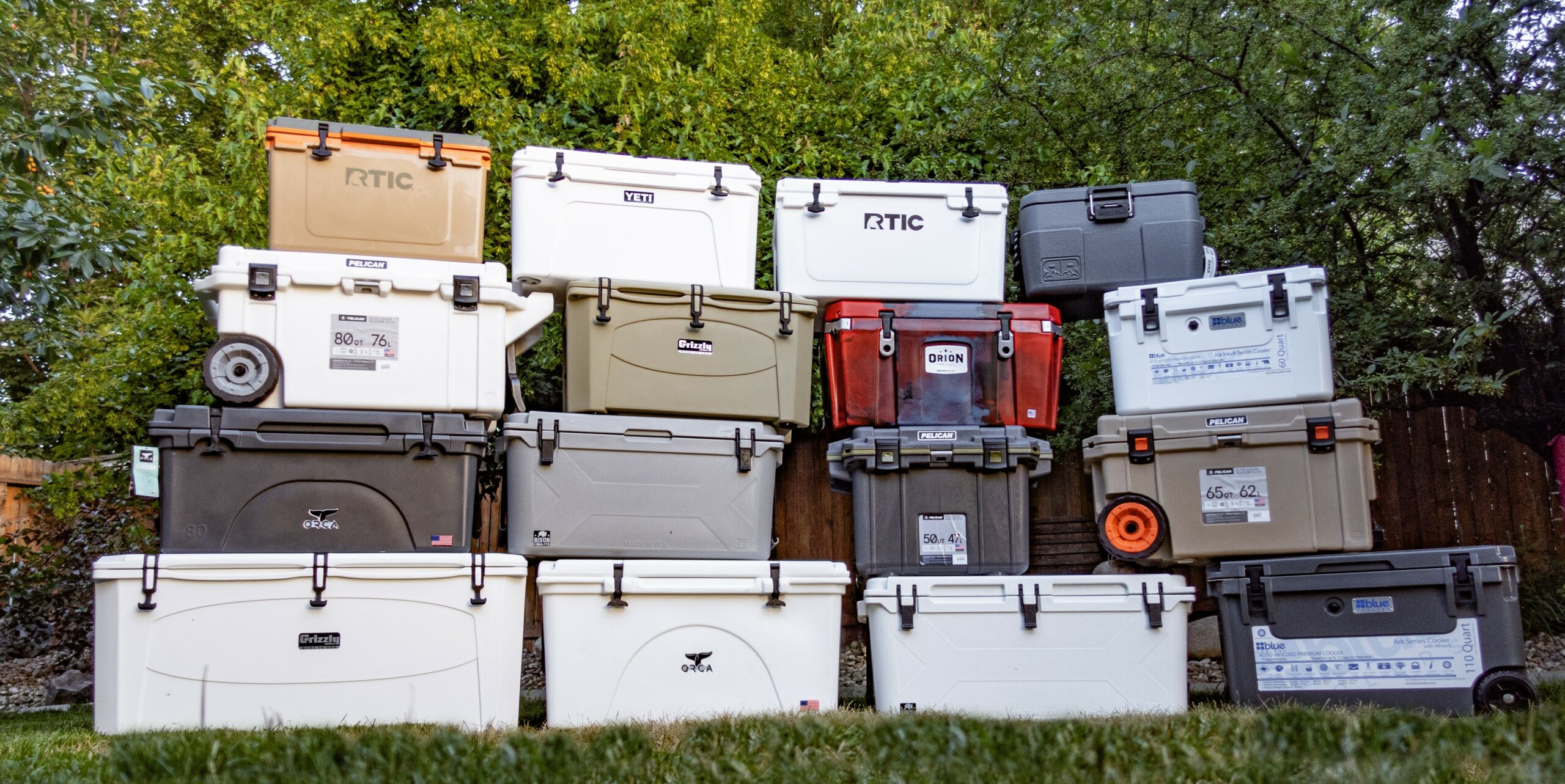
Best Coolers for Hunting & Fishing 2026: Rotomolded, Soft-Sided & Budget Options
Expert cooler reviews for 2026. YETI, RTIC, Pelican, Igloo, and ORCA compared. Rotomolded vs soft-sided coolers for hunting camp, fishing trips, and field processing.
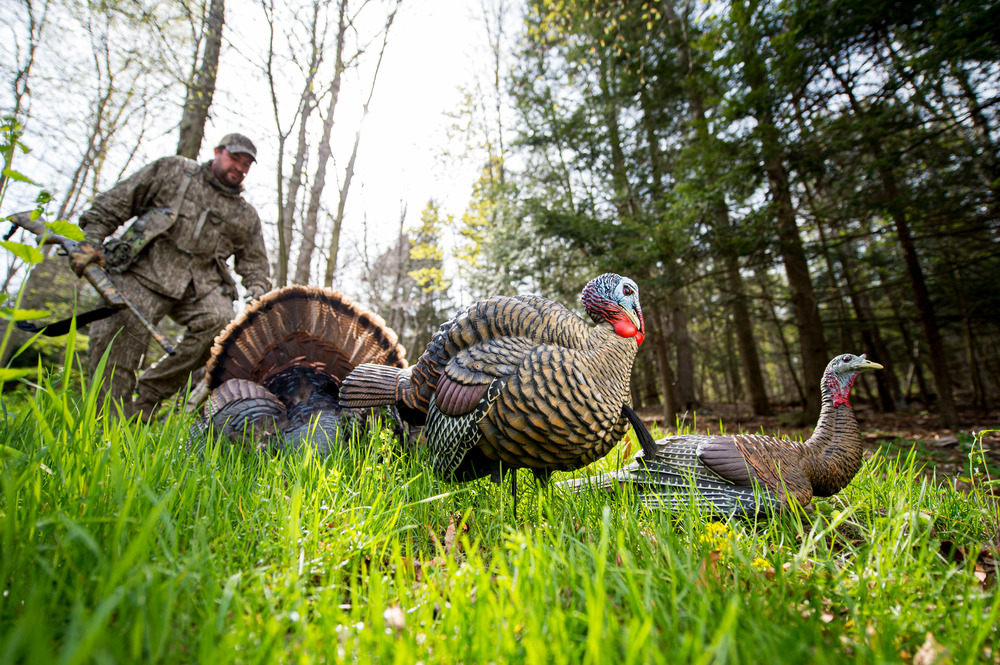
Best Turkey Decoys 2026: Hen, Jake & Full-Strut Tom Decoys Compared
Expert turkey decoy reviews for 2026. Avian-X, Dave Smith, Montana Decoy, and Primos compared. Breeding pair setups, lone hen strategies, and full-strut intimidation tactics.
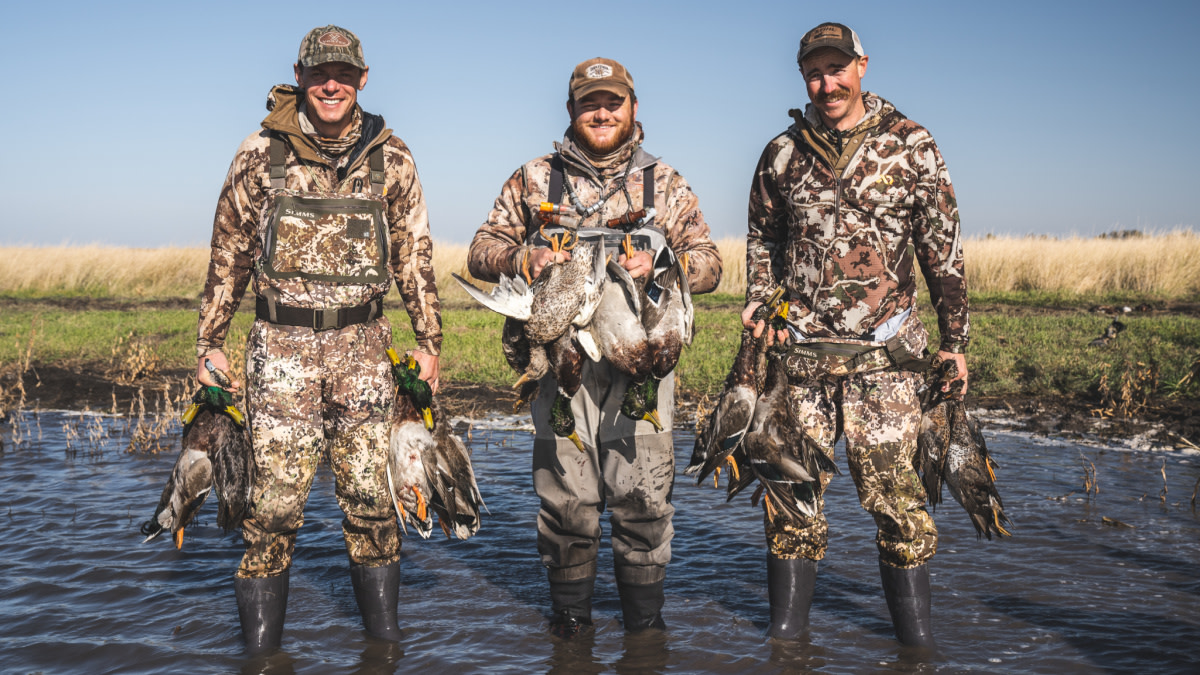
Best Hunting Waders 2026: Neoprene, Breathable & Stockingfoot Options
Expert hunting wader reviews for 2026. Sitka, LaCrosse, Frogg Toggs, and Dryshod compared. Neoprene vs breathable waders for duck hunting, river crossings, and fishing.