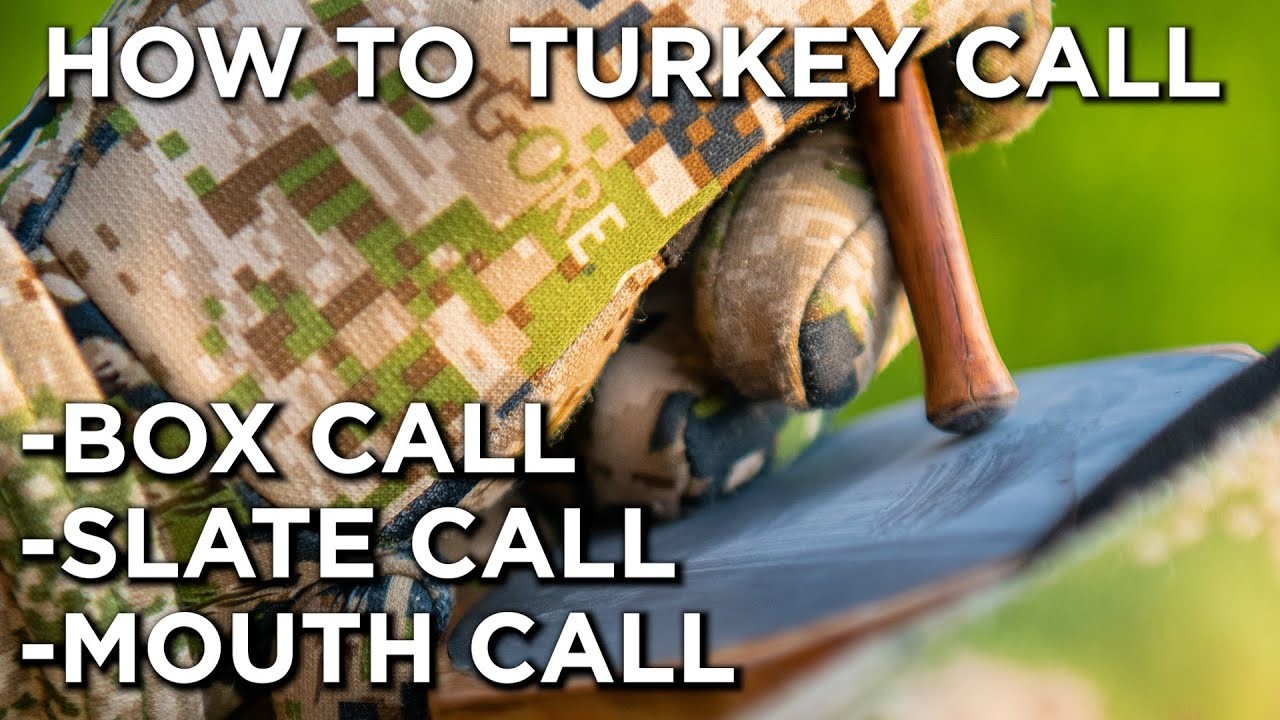
Best Turkey Calls: Box, Slate, and Mouth Calls Compared
Affiliate Disclosure: This article contains affiliate links. If you purchase through these links, we may earn a commission at no extra cost to you. This helps support our site and allows us to continue creating in-depth gear reviews. Our recommendations are based on independent testing and research.
Walk into any sporting goods store in February and you'll face a wall of turkey calls—boxes, slates, diaphragms, shaker calls, and more. For a new turkey hunter, it's overwhelming. For experienced hunters, the question isn't which call works, but which call works best for specific situations.
I've used every type of turkey call manufactured over the past four decades. I've competed in calling contests, tested prototype calls for manufacturers, and—most importantly—used hundreds of calls in real hunting situations where the only judge is a gobbler deciding whether to come or go. This guide breaks down the top calls in each category with honest assessments of their strengths, weaknesses, and the situations where each one shines.
Box Calls: The Reliable Workhorse
Box calls produce sound through friction between a wooden paddle (lid) and the sounding lip of a wooden box. They're the oldest manufactured turkey call design and remain among the most effective. A well-made box call in skilled hands produces the most realistic yelps of any call type—a claim many competition callers would support.
🎯Want our complete Buying Guides checklist? Download it free — field-tested and printable.
Download Free ChecklistBest Overall Box Call: Lynch World Champion
The Lynch World Champion has been the benchmark box call for decades, and for good reason. Made from poplar and mahogany, it produces a hen yelp with a tonal richness that's difficult to replicate with any other call. The hinged lid design allows long, drawn-out yelps and sharp, aggressive cuts with equal ease.
What sets the Lynch apart is consistency. The wood-on-wood friction produces the same tone whether it's 30°F or 80°F, and the call requires minimal chalking to maintain its voice. I've used the same Lynch box call for eight seasons, and it sounds better now than when it was new—the wood has aged and the tone has deepened.
Pros: Rich, realistic tone; exceptional volume for long-range calling; incredibly durable; consistent in varying temperatures.
Cons: Requires two hands; larger than other call types; moisture can affect performance (keep chalked).
Price: $25-35
Best for: Locating gobblers at distance, yelping sequences, all-around reliability.
Best Budget Box Call: Primos Hook-Up Magnetic
The Primos Hook-Up uses a magnetic lid design that simplifies operation for beginners while producing clean, crisp yelps. The magnetic connection point means the paddle can't slide off during aggressive calling—a common frustration with traditional box calls when your hands are cold or gloved.
The tone is brighter and higher-pitched than the Lynch, which some hunters prefer and others find less natural. In my experience, gobblers don't show a preference—both tones produce responses. The Hook-Up excels as a starter call because it rewards sloppy technique with passable sounds while better calls punish it.
Pros: Easy to use; magnetic lid prevents fumbles; good volume; affordable.
Cons: Tone is less rich than premium wooden calls; magnetic click can be audible at close range.
Price: $15-22
Best for: Beginners, backup call, cold-weather hunts where gloved operation matters.
Best Compact Box Call: HS Strut Raspy Old Hen
If you want a box call that fits in a vest pocket, the Raspy Old Hen delivers. At roughly half the size of a standard box call, it packs easily alongside your other calls. The tone is raspier and lower-pitched than full-size box calls, mimicking the sound of a mature hen rather than a younger bird.
This raspy tone can be extremely effective on stubborn gobblers that have heard every sweet-sounding call in the woods. A mature hen's raspy yelp signals breeding readiness to experienced gobblers in a way that cleaner, higher-pitched calls don't.
Pros: Compact and packable; unique raspy tone; effective on pressured birds.
Cons: Lower volume limits long-range effectiveness; small size can be awkward for large hands.
Price: $12-18
Best for: Secondary call, compact carry, calling to pressured gobblers.
Slate (Pot) Calls: The Versatile Performer
Slate calls—also called pot calls or friction calls—use a striker drawn across a resonating surface set in a round pot. The surface material (slate, glass, crystal, aluminum) and striker material (wood, carbon, acrylic) combine to create a wide range of tones. A slate call with three different strikers effectively gives you three different calls.
Best Overall Slate Call: Woodhaven Red Ninja
The Red Ninja from Woodhaven uses a crystal surface that produces incredibly sharp, high-frequency yelps and cuts that carry exceptional distance. Crystal surfaces are also moisture-resistant, maintaining their tone in damp conditions that would silence a slate surface.
The call's tonal range is remarkable. A wood striker produces soft, mellow yelps perfect for close work. Switch to a carbon striker and the same call screams aggressive cuts that fire up gobblers at 300+ yards. This versatility makes the Red Ninja the one pot call you'd choose if you could only carry one.
Pros: Exceptional tonal range; crystal surface resists moisture; incredible volume potential; extremely sharp, penetrating cuts.
Cons: Crystal can sound harsh if technique is poor; requires striker conditioning; higher learning curve than box calls.
Price: $35-50
Best for: All-around versatility, aggressive calling, wet-weather hunting.
Best Slate-Surface Call: Primos Ol' Betsy
For hunters who prefer the warmer, mellower tones of traditional slate, the Primos Ol' Betsy delivers. The natural slate surface produces yelps with a softer, more rounded tone that sounds like a calm, contented hen. For purrs and soft clucks, slate surfaces are unmatched—the subtle tonal variations they produce are the most realistic sounds any manufactured call creates.
The trade-off: slate surfaces are highly moisture-sensitive. Morning dew, rain, or even humid conditions can deaden the surface and kill the sound. Carry fine-grit sandpaper to refresh the surface, and store the call in a sealed bag between uses.
Pros: Warmest, most realistic tone; exceptional for purrs and soft clucks; outstanding close-range calling.
Cons: Moisture kills sound quality; requires frequent surface conditioning; lower maximum volume than crystal.
Price: $20-30
Best for: Close-range calling, soft yelps and purrs, calm feeding sequences.
Best Glass-Surface Call: Zink Thunder Ridge
Glass pot calls split the difference between crystal's sharpness and slate's warmth. The Zink Thunder Ridge exemplifies this balance—clear, clean yelps with enough tonal warmth to sound natural, plus good moisture resistance for early-morning hunts when everything is wet with dew.
Glass surfaces are also more forgiving of striker technique than crystal or slate. Beginners produce passable sounds more quickly on glass, making it an excellent first pot call.
Pros: Balanced tone between crystal and slate; good moisture resistance; forgiving of technique; versatile volume range.
Cons: Master of none—doesn't reach the tonal extremes of crystal or slate; can develop a glaze that requires sanding to restore grip.
Price: $25-40
Best for: All-around hunting, beginners transitioning to friction calls, variable weather conditions.
Diaphragm (Mouth) Calls: The Hunter's Edge
Diaphragm calls are small latex-and-tape frames that sit on the roof of your mouth. Air pressure and tongue manipulation create turkey sounds. The learning curve is steep—expect two to four weeks of daily practice before producing passable yelps—but the rewards are enormous: completely hands-free calling that requires zero movement.
Best Overall Diaphragm: Primos Hunting Upper Cut
The Upper Cut features a three-reed design with a split V cut in the top reed. This cut reduces the air pressure needed to produce sound, making it easier to operate than straight-edge diaphragms. The three reeds create a naturally raspy tone that mimics a mature hen without requiring advanced tongue manipulation.
I carry six mouth calls each season and reach for the Upper Cut most often. It produces clean yelps, realistic clucks, and passable cuts without fighting the call. The latex is thick enough to last a full season of daily use without tearing or losing tone—a common problem with thinner competition diaphragms.
Pros: Easy to operate for a diaphragm; naturally raspy tone; durable latex; hands-free operation.
Cons: Still requires practice; gag reflex issues for some users; latex degrades between seasons.
Price: $8-12 (usually sold in packs of 2-3)
Best for: Primary hands-free call, close-range situations, all-around hunting.
Best Beginner Diaphragm: Hunters Specialties H.S. Strut Premium Flex
The Premium Flex uses a smaller frame and softer latex than standard diaphragms, addressing the two biggest beginner complaints: gag reflex and difficulty producing sound. The reduced frame size sits more comfortably against the palate, and the softer latex requires less air pressure to vibrate.
The sound is thinner and higher-pitched than full-frame diaphragms, but for learning the mechanics of mouth calling, these compromises are worthwhile. Many hunters start with a Premium Flex, develop their technique, then transition to a full-frame call like the Upper Cut.
Pros: Most comfortable beginner diaphragm; reduced gag reflex; easy sound production.
Cons: Thinner tone; less volume than full-frame calls; shorter lifespan due to softer latex.
Price: $6-10
Best for: First-time diaphragm users, hunters with gag reflex sensitivity.
Best Premium Diaphragm: Woodhaven Ninja Hammer
For experienced callers who want maximum tonal range and competition-quality sound, the Ninja Hammer delivers. The four-reed design with a combo cut produces everything from whisper-soft tree yelps to ear-splitting cuts that reach gobblers a quarter-mile away. The tonal variation possible with this call is extraordinary in skilled hands.
The Ninja Hammer demands significant calling skill. Beginners will produce squeaks and squawks. But experienced diaphragm callers will find a call that can produce any hen vocalization with precision and clarity that rivals the best pot and box calls.
Pros: Exceptional tonal range; competition-quality sound; maximum volume capability; precise control for experienced callers.
Cons: Steep learning curve; not for beginners; premium price for a mouth call.
Price: $12-16
Best for: Experienced callers, competition, maximum versatility.
Building Your Turkey Call Kit
No single call does everything well. Build a kit that covers all situations:
Starter Kit (Under $60)
- Lynch World Champion box call ($30)—your primary locator and yelping call
- Primos Upper Cut diaphragm 2-pack ($10)—hands-free close-range calling
- Primos Ol' Betsy slate call ($22)—soft clucks and purrs for finishing
Complete Kit ($100-150)
- Lynch World Champion box call ($30)
- Woodhaven Red Ninja crystal pot call ($45) with extra striker ($12)
- Primos Upper Cut diaphragm ($10)
- Woodhaven Ninja Hammer diaphragm ($14)
- HS Strut Raspy Old Hen compact box ($15)
Call Maintenance
Box Calls
Apply chalk to the paddle's striking surface before each hunt. Store in a dry place and avoid touching the sounding surfaces with oily fingers. If the call becomes slick or loses its voice, lightly sand the lid's underside and the box lip with 220-grit sandpaper, then re-chalk.
Slate/Pot Calls
Condition the striking surface with a green Scotch-Brite pad or fine sandpaper before each hunt. Condition strikers by scuffing the tip with sandpaper. Store the call face-down on a soft cloth to prevent surface damage. Never touch the striking surface with your fingers—skin oils create slick spots that kill sound.
Diaphragm Calls
Rinse with clean water after each use to remove saliva. Store between pieces of a toothpick or in the provided case to keep reeds separated. Keep in a cool, dry place—heat accelerates latex deterioration. Replace annually; even unused diaphragms lose elasticity over 12-18 months.
The Bottom Line
Building a Complete Turkey Call Kit
Experienced turkey hunters carry multiple call types for different situations. A complete kit includes: one box call (your primary long-range locator), one or two pot-and-striker calls with different surface materials (glass for wet conditions, slate for calm mornings), and 2-3 diaphragm calls of varying reed configurations (single reed for soft talk, stacked 3-reed for aggressive cutting). Add a crow call or owl hooter for locating roosted birds at dawn without sounding like another hen. This kit costs $60-100 total and covers every calling scenario you'll encounter in the turkey woods.
The best turkey call is the one you can use effectively under hunting conditions. A perfectly operated box call kills just as many turkeys as an expert-level diaphragm. Start with the call type that feels most comfortable, practice consistently, and add call types as your skills develop. The turkeys don't care what brand name is stamped on the box—they care whether you sound like a hen worth investigating. Put in the practice time, build a versatile kit, and let the gobblers decide if you make the grade. Spring is calling — answer it prepared with the right calls and the confidence that comes from dedicated practice time.
Where to Buy Turkey Calls
Check Price on Amazon →
Check Price on Amazon →
Check Price on Amazon →
Check Price on Amazon →
Get More Gear Guides
Join 10,000+ hunters and get our free Ultimate Gear Checklist plus weekly reviews delivered to your inbox.
Share this guide:
Related Articles
Best Coolers for Hunting & Fishing 2026: Rotomolded, Soft-Sided & Budget Options
Expert cooler reviews for 2026. YETI, RTIC, Pelican, Igloo, and ORCA compared. Rotomolded vs soft-sided coolers for hunting camp, fishing trips, and field processing.
Best Turkey Decoys 2026: Hen, Jake & Full-Strut Tom Decoys Compared
Expert turkey decoy reviews for 2026. Avian-X, Dave Smith, Montana Decoy, and Primos compared. Breeding pair setups, lone hen strategies, and full-strut intimidation tactics.
Best Hunting Waders 2026: Neoprene, Breathable & Stockingfoot Options
Expert hunting wader reviews for 2026. Sitka, LaCrosse, Frogg Toggs, and Dryshod compared. Neoprene vs breathable waders for duck hunting, river crossings, and fishing.