Affiliate Disclosure: This article contains affiliate links. If you purchase through these links, we may earn a commission at no extra cost to you. This helps support our site and allows us to continue creating in-depth gear reviews. Our recommendations are based on independent testing and research.
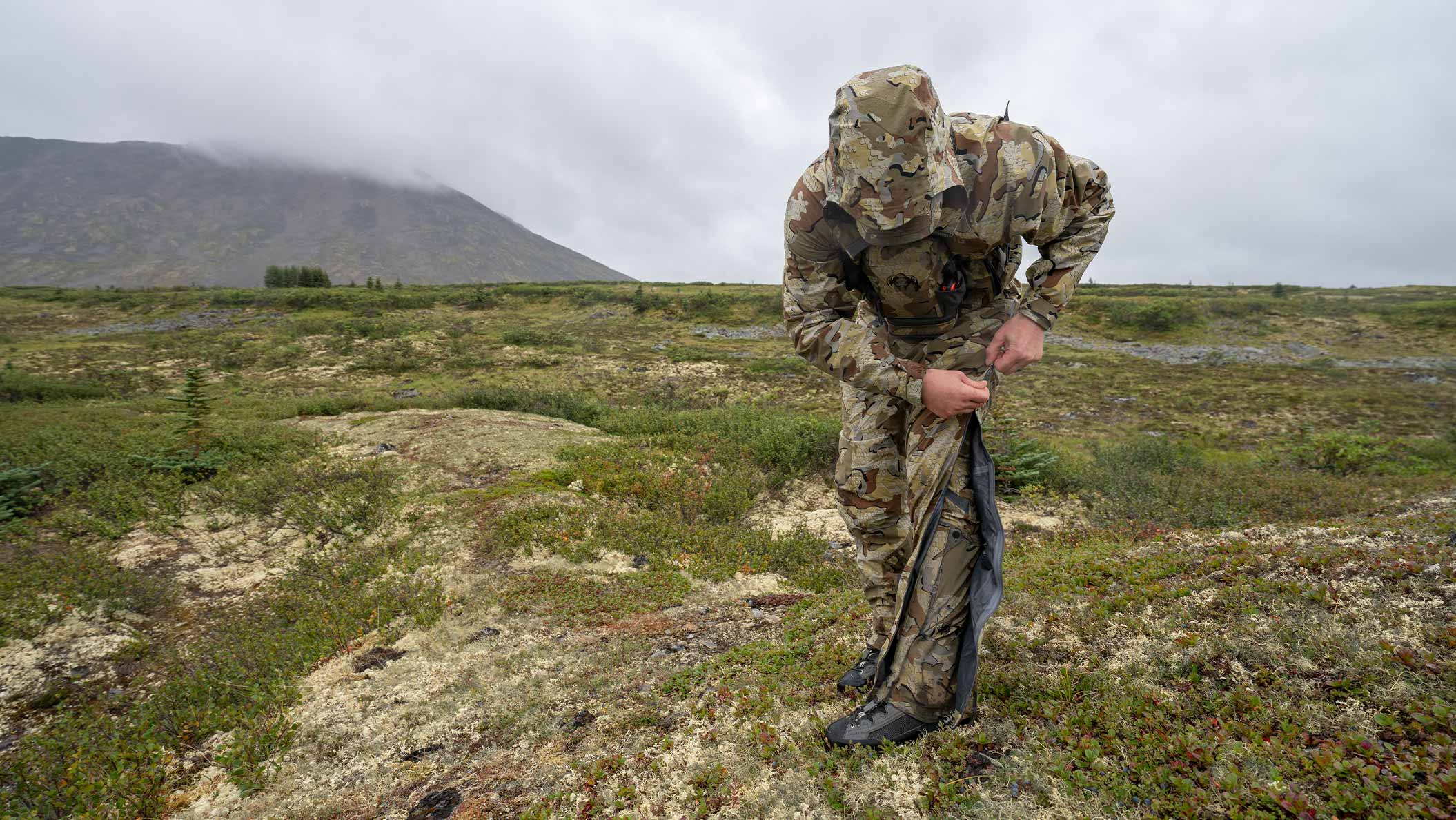
The most common mistake hunters make with clothing isn't choosing the wrong brand—it's using the wrong layering strategy. A proper hunting layering system keeps you warm during frigid morning sits, cool during midday stalks, and dry when weather turns. Here's how to build a system that works.
Why Layering Matters More Than Any Single Garment
Your body generates dramatically different amounts of heat depending on activity level. Sitting motionless in a tree stand at dawn, your body is barely producing heat. Two hours later, you might be dragging a 200-pound deer across a hillside, generating massive amounts of heat and sweat.
No single garment can handle both extremes. That's why we layer—so we can add or remove clothing to regulate temperature throughout the day. The key is understanding what each layer does and selecting materials that work together as a system.
🎯Want our complete How-To Guides checklist? Download it free — field-tested and printable.
Download Free ChecklistThe Three-Layer System Explained
Layer 1: Base Layer (Moisture Management)
The base layer sits against your skin and has one primary job: move sweat away from your body. This is the most critical layer because wet skin loses heat 25x faster than dry skin. Getting this wrong undermines everything built on top of it.
NEVER wear cotton as a base layer. Cotton absorbs moisture and holds it against your skin, dramatically increasing heat loss. This is dangerous in cold weather and miserable in any weather. "Cotton kills" isn't just a saying—it's a survival principle.
Best Base Layer Materials
- Merino Wool: The gold standard for hunting. Naturally antimicrobial (doesn't stink after multiple days), excellent moisture wicking, retains warmth when wet, and incredibly comfortable. More expensive but worth every penny.
- Synthetic (Polyester/Polypropylene): Wicks moisture faster than wool, dries faster, more affordable, and more durable. However, it develops odor quickly—a concern for scent-conscious hunters.
- Merino-Synthetic Blend: Combines the best of both worlds. Better durability than pure merino with better odor control than pure synthetic.
Our Base Layer Picks
- Best Overall: First Lite Kiln Hoody (Merino) – $120
- Best Budget: Sitka Core Lightweight Crew (Synthetic) – $79
- Best Value Merino: Ridge Merino Aspect Midweight – $80
- Best Cold Weather: First Lite Wick Fleece Hoody – $135
Layer 2: Insulation Layer (Heat Retention)
The insulation layer traps warm air close to your body. This is where you fine-tune your warmth for the conditions. In mild weather, a single thin insulation layer suffices. In bitter cold, you might stack two insulation layers.
Types of Insulation
- Fleece: Affordable, breathes well, dries fast. Best for active hunting where you're generating heat. Available from lightweight micro-fleece to heavy-duty 300-weight options.
- Down: The highest warmth-to-weight ratio of any insulation. Packs small, extremely lightweight. However, it loses insulating properties when wet. Best for dry, cold conditions and stand hunting.
- Synthetic Insulation (PrimaLoft, Climashield): Retains warmth when wet, dries faster than down, and costs less. Slightly heavier and bulkier than equivalent-warmth down. Best all-around choice for unpredictable conditions.
Layer 3: Outer Shell (Weather Protection)
The outer shell protects against wind and precipitation while allowing internal moisture to escape. This is where waterproof-breathable technology comes in.
Shell Types
- Hardshell: Fully waterproof and windproof. Uses membranes like Gore-Tex or proprietary technologies. Best for extended exposure to rain and snow. Less breathable than softshells.
- Softshell: More breathable and quieter than hardshells. Water-resistant but not fully waterproof. Best for active hunting in light precipitation or windy conditions.
- Hybrid Shell: Combines waterproof panels in high-exposure areas with breathable softshell material elsewhere. Growing in popularity for good reason—they offer the best of both worlds.
Layering by Hunting Style
Tree Stand / Blind Hunting (Low Activity)
When you're sitting motionless for hours, heat retention is everything. You need the warmest system possible because you're generating minimal body heat.
- Base: Heavyweight merino wool (250+ gsm)
- Mid 1: Fleece or down vest
- Mid 2: Insulated jacket (down or synthetic)
- Shell: Insulated outer parka with wind protection
- Extras: Insulated bibs, heated insoles, heavy gloves, neck gaiter
Spot-and-Stalk Hunting (High Activity)
Active hunting generates significant heat. You need a system that breathes well and allows quick temperature regulation through venting and layer removal.
- Base: Lightweight merino or synthetic (150 gsm)
- Mid: Lightweight fleece or thin synthetic jacket (packable)
- Shell: Softshell or lightweight hardshell (in pack for weather)
- Extra: Puffy jacket in pack for glassing stops
All-Day Hunts (Mixed Activity)
When your day involves hiking to a spot, sitting for a few hours, then still-hunting back, you need maximum versatility.
- Base: Midweight merino (200 gsm)
- Mid: Packable synthetic insulated jacket
- Shell: Softshell with packable hardshell backup
- In pack: Extra insulation layer for stationary periods
Temperature Guide
Layers by Temperature Range
- 60°F+ (Warm): Lightweight base only, softshell in pack
- 40-60°F (Cool): Lightweight base + lightweight mid layer
- 25-40°F (Cold): Midweight base + insulated mid + shell
- 10-25°F (Very Cold): Heavyweight base + double mid layers + insulated shell
- Below 10°F (Extreme): Maximum layers + heated accessories + insulated bibs
Common Layering Mistakes
Mistake 1: Starting Too Warm
The biggest mistake hunters make is putting on all their layers before hiking to their stand. You should feel slightly cool when you start moving. If you're comfortable standing still, you'll be drenched in sweat within 15 minutes of walking. Start cool, warm up gradually, and add layers when you stop.
Mistake 2: Ignoring Extremities
Your head, hands, and feet lose heat the fastest. Invest in quality insulated boots, merino wool socks, insulated gloves (with a thin liner glove for shooting), and a warm hat or balaclava. Cold extremities end more hunts early than cold torsos.
Mistake 3: Not Packing Layers
Weather changes. Conditions shift. Always carry at least one extra layer in your pack, even if you don't think you'll need it. A lightweight packable down jacket weighs ounces and could save your hunt—or your life—in unexpected weather.
Budget Layering System ($250 Total)
You don't need to spend $1,000+ on a layering system. Here's a proven budget setup:
- Base: Ridge Merino Aspect Crew – $60
- Mid: Amazon Essentials Full-Zip Fleece – $25
- Insulation: Baleaf Puffer Jacket – $50
- Shell: Frogg Toggs Pro Action Rain Suit – $40
- Accessories: Merino socks, fleece gloves, beanie – $75
Final Thoughts
The best layering system is one you actually use correctly. Start with a quality base layer—it's the foundation everything else builds on. Add insulation appropriate for your conditions and activity level. Finish with a shell that matches your hunting environment. And always, always carry an extra layer.
Remember: you can always take a layer off, but you can't add one you didn't bring. Pack smart, dress in layers, and stay comfortable enough to stay in the field longer. More time hunting means more opportunities for success.
Layering by Season: Specific Recommendations
Early Season (September-October): 45-75°F
Early season is the trickiest layering challenge because mornings can be 45°F at the stand and afternoons hit 75°F. The walk to your stand generates heat, but you'll sit motionless for hours as temperatures fluctuate. Here's the system:
- Base layer: Lightweight merino (150-weight) top and bottom. Skip the base layer bottom if temperatures will exceed 65°F.
- Mid layer: None needed — go straight to a lightweight, breathable outer layer. A thin fleece in your pack serves as emergency insulation if a cold front arrives unexpectedly.
- Outer layer: Lightweight, quiet hunting shirt in a breathable fabric. Early season is about scent control and silence more than insulation.
The biggest early-season mistake is overdressing. Sweating on the walk to your stand leaves you damp and chilled once you stop moving. Dress cool for the approach and add a thin layer once you're settled in. A packable puffy jacket weighing 8-12 ounces transforms from pocket-sized to warm insurance in seconds.
Mid Season (Late October-November): 25-50°F
Mid-season provides the most comfortable hunting conditions and the most forgiving layering requirements. The rut pulls you out of the stand for longer hours, meaning your system needs to handle both stationary sits and active still-hunting or tracking.
- Base layer: Mid-weight merino (200-250 weight) top and bottom. This weight provides meaningful warmth without overheating during moderate activity.
- Mid layer: Fleece jacket or vest (100-200 weight). This is your adjustable layer — zip it, unzip it, or remove it entirely depending on activity level and sun exposure.
- Outer layer: Insulated hunting jacket with wind resistance. Soft-shell materials offer a good balance of weather protection and breathability for active hunting.
Late Season (December-January): Below 25°F
Late-season hunting demands the most from your layering system. You're often sitting motionless for 4-6 hours in temperatures that actively try to drive you from the woods. This is where quality materials and proper layering make the difference between a productive hunt and a miserable retreat.
- Base layer: Heavyweight merino (300+ weight) or expedition-weight synthetic top and bottom. Maximum insulation from your skin-closest layer.
- Mid layer: Heavy fleece or down jacket. Consider two mid layers in extreme cold — a thin fleece plus a down puffy provides more warmth than a single thick fleece because the dead air space between layers adds insulation.
- Outer layer: Heavily insulated hunting jacket with windproof shell. Late-season outer layers prioritize warmth over breathability because you're rarely generating significant body heat through movement.
Common Layering Mistakes
Cotton Kills
The oldest rule in outdoor clothing exists for a reason. Cotton absorbs moisture, loses all insulation value when wet, and takes forever to dry. A cotton t-shirt soaked with sweat against your skin in 30°F weather actively pulls heat from your body. Every piece of clothing against your skin should be merino wool or synthetic — no exceptions, no compromises.
Overdressing for the Walk In
The 15-minute walk to your stand generates significant body heat. If you're wearing your full insulation system during this walk, you'll arrive at your stand soaked in sweat. That moisture then chills you rapidly once you stop moving. Dress for the walk (lighter layers, outer shell open) and add insulation once you're settled. Carry your heavy mid-layer and any accessories in your pack.
Ignoring Extremities
Your body prioritizes core temperature over extremities. As you cool down, blood flow to your hands, feet, and head decreases to protect vital organs. You can have the world's best torso layering system and still be miserable if your head, hands, and feet are exposed. Invest in quality insulated hats, layered glove systems, and proper boot/sock combinations — extremities often drive the decision to leave the stand.
Buying Cheap Base Layers
Your base layer touches the most skin, manages the most moisture, and has the biggest impact on overall comfort. A $20 polyester base layer next to a $200 hunting jacket creates a weak foundation. Prioritize your base layer budget — a quality merino base layer under a mediocre jacket outperforms a cheap base layer under a premium jacket every time.
Caring for Your Hunting Clothing
Hunting clothing represents a significant investment. Proper care extends garment life and maintains performance:
- Wash with scent-free detergent: Standard laundry detergent leaves fragrance residue that deer detect. Use sport-specific, scent-free detergent for all hunting clothing.
- Air dry when possible: Machine drying degrades DWR coatings and can damage insulation. Hang dry in a ventilated area away from household odors.
- Restore DWR treatment annually: Durable Water Repellent coatings on outer layers wear off with use and washing. Apply spray-on DWR treatment to maintain water beading on shell fabrics.
- Store in sealed containers: Between hunts, store hunting clothing in sealed bins or bags with natural scent-absorbing materials (earth wafers, fresh leaves, or activated carbon). This prevents your clean clothing from absorbing household, cooking, and pet odors.
Budget Layering: Getting Started Under $300
You don't need to spend $1,500 on a Sitka system to hunt effectively. A capable budget layering system includes: merino blend base layers ($40-60), a fleece midlayer ($30-50), and a waterproof shell ($80-120). Add quality wool socks ($15-20 per pair) and an insulated beanie ($15). This $200-300 system handles 80% of hunting conditions across most of the country and gives you a functional foundation to upgrade piece by piece over subsequent seasons as budget allows.
A well-built layering system represents the most important gear investment you'll make as a hunter. It determines how long you can stay in the field, how effectively you perform in changing conditions, and ultimately, how many opportunities you get at the game you're pursuing. Build the system right, maintain it properly, and you'll hunt in comfort from the first warm September sit to the coldest January morning.
Where to Buy Hunting Layers
Check Price on Amazon →
Check Price on Amazon →
Check Price on Amazon →
Check Price on Amazon →
Get More Gear Guides
Join 10,000+ hunters and get our free Ultimate Gear Checklist plus weekly reviews delivered to your inbox.
Share this guide:
Related Articles
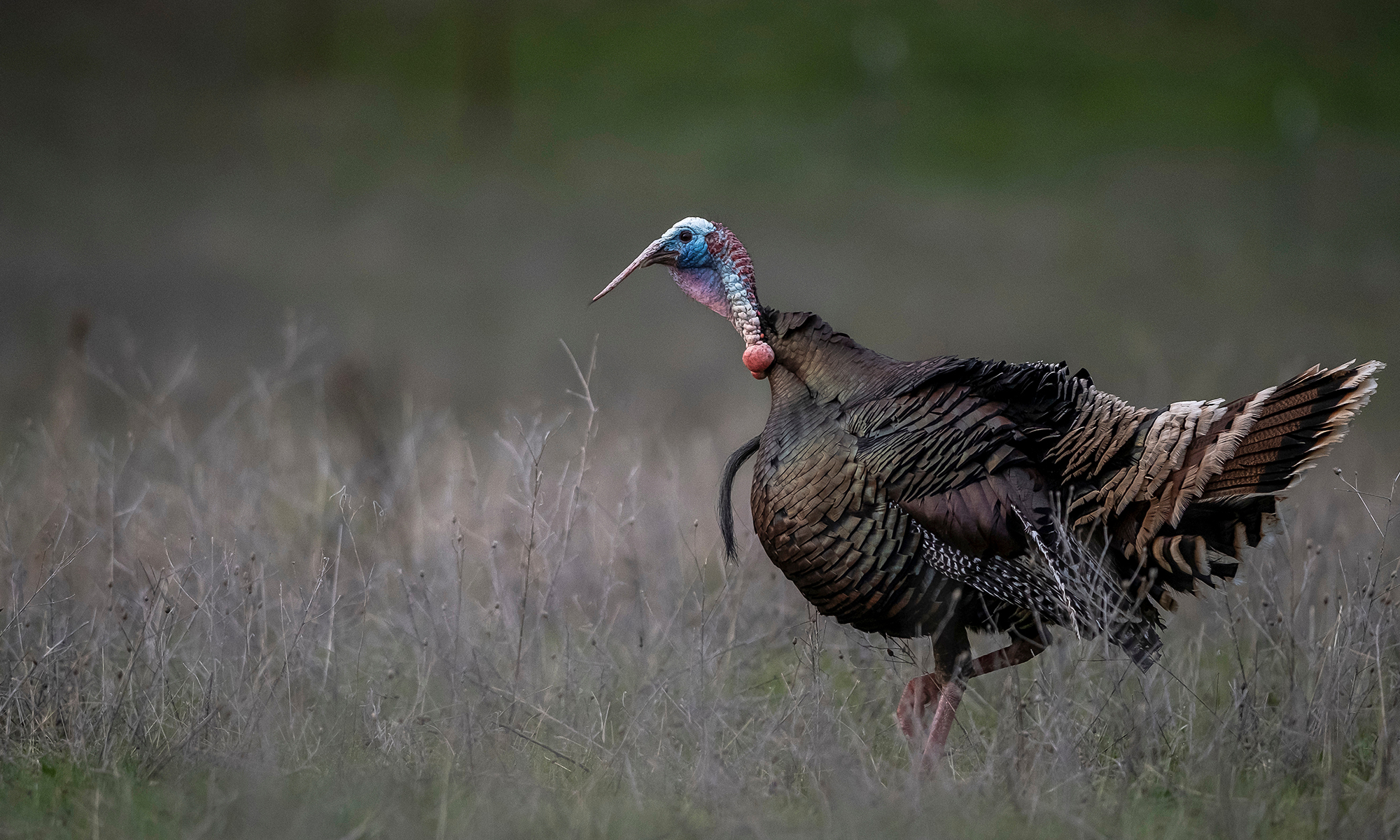
Spring Turkey Hunting Tactics 2026: Setups, Calling & Strategies That Work
Complete spring turkey hunting tactics guide. Run-and-gun vs sit-and-call strategies, decoy setups, calling sequences, and timing tips from 52 years of hunting experience.
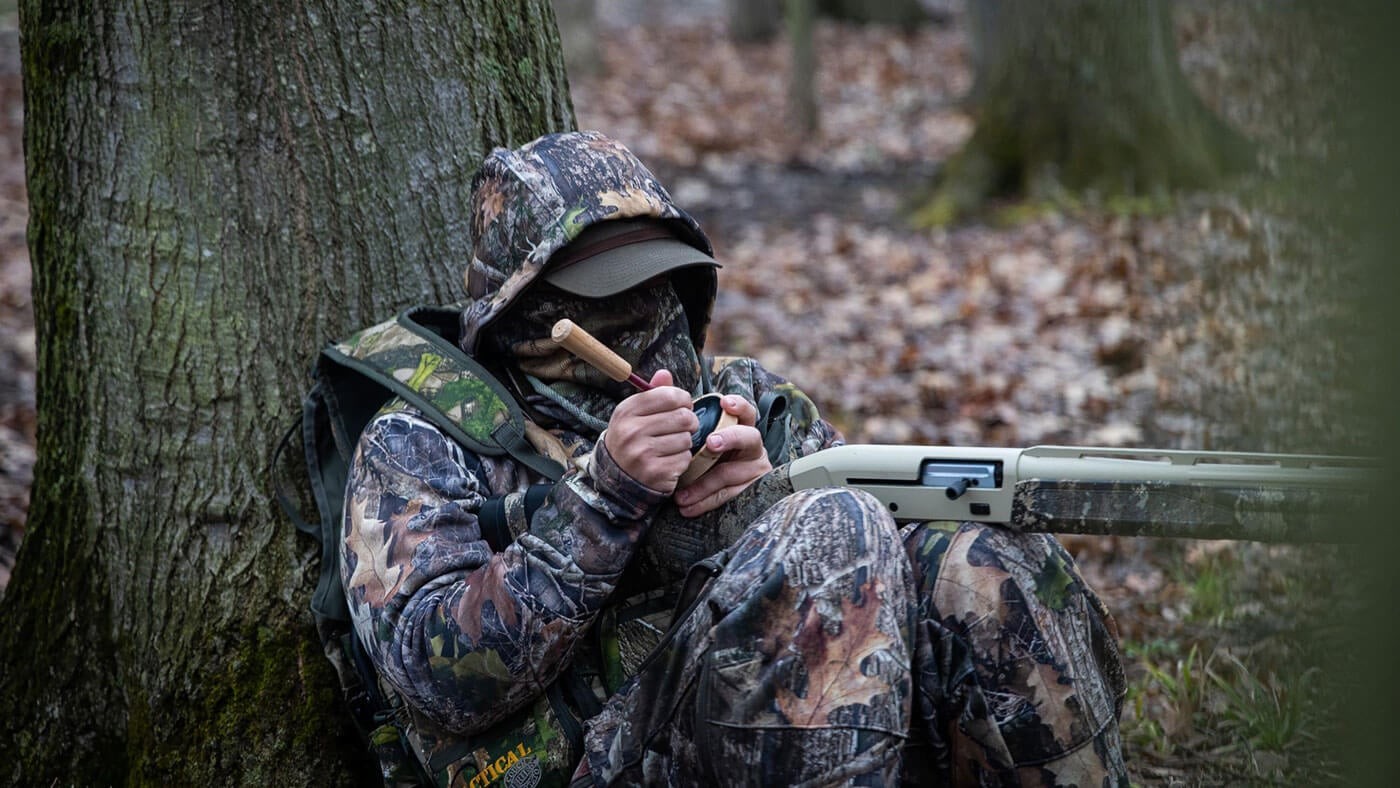
How to Call Turkeys: Complete Guide for Spring Season
Turkey calling is both art and science. Master the essential calls—yelps, clucks, purrs, and cuts—with this comprehensive guide covering call types, techniques, and real-world hunting strategies for spring gobblers.
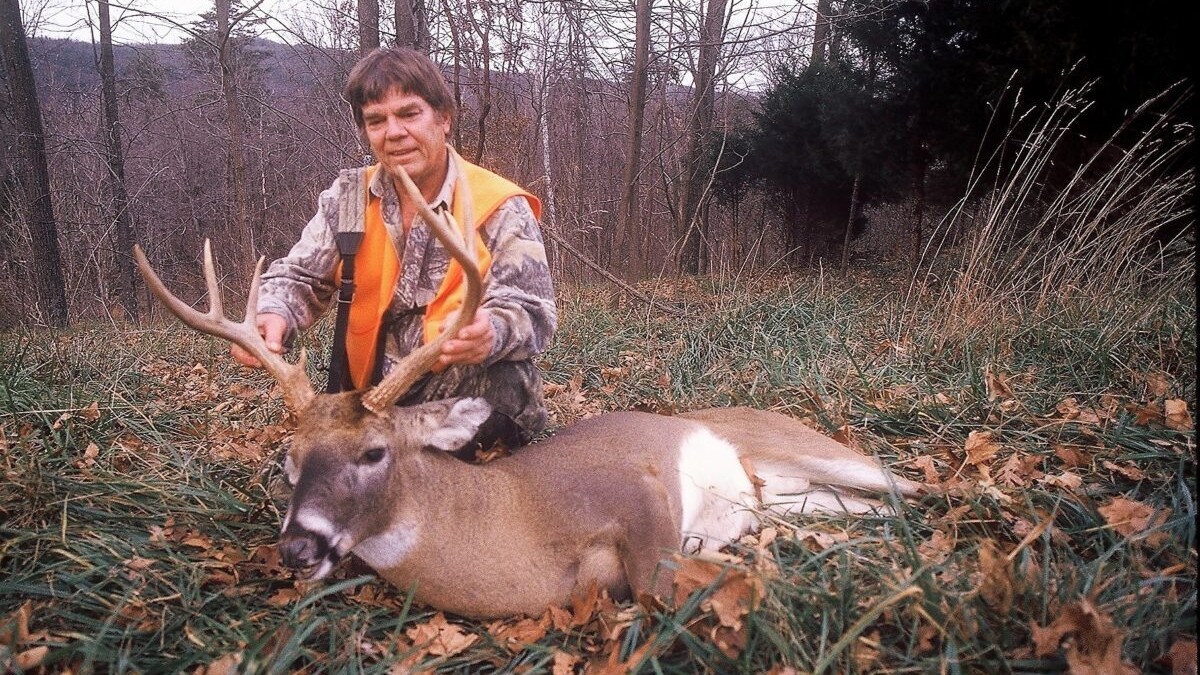
How to Field Dress a Deer: Step-by-Step Guide
Proper field dressing preserves meat quality and makes processing easier. This step-by-step guide covers everything from first cuts to cooling, with tips from five decades of deer processing experience.