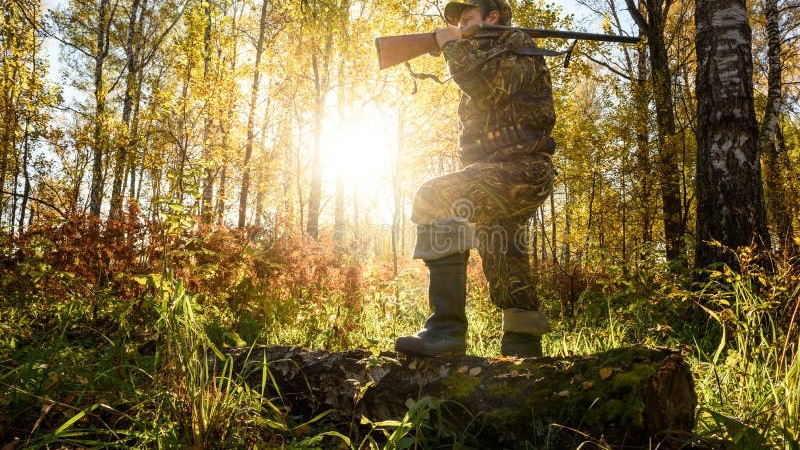
How to Hunt Public Land Deer: Tactics That Actually Work
Affiliate Disclosure: This article contains affiliate links. If you purchase through these links, we may earn a commission at no extra cost to you. This helps support our site and allows us to continue creating in-depth gear reviews. Our recommendations are based on independent testing and research.
Every fall, millions of hunters head into public forests, wildlife management areas, and national grasslands chasing whitetail deer. Most come home empty-handed. The reason is simple: they hunt public land like it's private property, and pressured deer punish that mistake every time.
I've hunted public land across eight states over five decades. Some of my best bucks—including a 160-class Illinois whitetail and a heavy-racked Georgia ten-pointer—came off ground anyone could walk onto. Public land hunting isn't harder; it's different. Once you understand the differences, you can actually use hunting pressure to your advantage.
This guide covers everything from pre-season scouting to in-season adjustments, with specific tactics for pressured whitetails that most hunters overlook.
🎯Want our complete Deer Hunting checklist? Download it free — field-tested and printable.
Download Free ChecklistWhy Public Land Deer Hunt Differently
Before diving into tactics, you need to understand what makes public land deer behave the way they do. These animals face consistent human intrusion from hikers, bird watchers, mushroom hunters, and other deer hunters throughout the year. This creates a fundamentally different animal than what lives behind a locked gate.
The Pressure Response
Research from Auburn University's deer lab tracked GPS-collared bucks on public hunting land and found that mature bucks shifted to 80-90% nocturnal movement within three days of hunting season opening. On nearby private land with controlled access, those same age-class bucks maintained 40-60% daylight movement throughout the season.
The key finding: public land bucks don't disappear during hunting season—they compress their daylight movement into very short windows, typically the first and last thirty minutes of legal shooting light. They also shift travel routes away from easy-access areas toward thick cover, steep terrain, and places most hunters won't go.
The Access Factor
On public land, access points create predictable pressure patterns. Most hunters park at the main lot and walk the established trails. Research consistently shows that 70-80% of hunter activity occurs within 400 yards of a road or parking area. This creates a gradient: light pressure deep in the property, heavy pressure near access points.
Smart public land hunters exploit this gradient rather than fighting it.
Pre-Season Scouting: The Foundation of Success
Scouting public land demands more effort than private property, but the principles are actually straightforward. You're looking for three things: where deer live undisturbed, where other hunters concentrate, and transition zones between the two.
E-Scouting From Home
Start with digital maps weeks before you set foot on the property. Use free tools like onX Hunt, Google Earth, and your state's wildlife agency GIS maps. You're identifying:
- Terrain funnels: Saddles between ridges, creek crossings, benches on steep hillsides, points extending into valleys. These features concentrate deer movement regardless of pressure.
- Thick cover near food: Public land deer need security cover within 200-400 yards of food sources. Look for clear-cut regeneration, swamp edges, cedar thickets, and overgrown fencerows adjacent to agricultural fields or mast-producing ridges.
- Access challenges: River crossings, steep terrain, long walks from parking areas. These natural barriers filter out most hunters and create low-pressure zones where mature bucks feel comfortable.
- Pressure escape routes: When hunting pressure pushes deer off primary food sources, where do they go? Usually toward the thickest available cover using terrain features that provide visual screening.
Mark at least a dozen potential stand sites on your digital map before your first boots-on-ground scouting trip.
Boots-on-Ground Scouting
Visit your target property in late winter or early spring when leaves are off and you can read sign without disturbing fall patterns. February and March scouting is invaluable because last season's rubs, scrapes, and trails are still visible.
Walk your e-scouted locations and verify what the maps suggested. Pay attention to:
- Rub lines: A series of rubs on the same side of trees along a travel route indicates a buck's preferred direction of travel. Multiple years of rubs on the same trees suggest a consistent travel pattern.
- Scrape clusters: Community scrapes in staging areas near food sources reveal high-traffic transition zones. These scrapes often reactivate year after year.
- Bed-to-feed trails: Look for well-worn trails connecting thick bedding cover to food sources. The trail width and number of tracks indicate traffic volume.
- Other hunter sign: Old treestands, trimmed shooting lanes, boot prints, flagging tape. Knowing where other hunters set up helps you avoid competition and predict how deer will react to opening-day pressure.
Trail Camera Strategy on Public Land
Trail cameras on public land require extra precautions. First, check regulations—some states restrict or ban cameras on public property. Where legal, use cameras without external antennas or visible displays that attract attention. Mount them high (8-10 feet) aimed downward to reduce theft.
Place cameras at terrain funnels and scrapes rather than obvious trail intersections where other hunters will find them. Run them from late July through mid-September to inventory bucks without pre-season foot traffic disturbing the area. Pull cameras before other hunters start scouting in earnest.
Stand Placement: Thinking Differently
On private land, you set up over the best food source or travel corridor and let deer come to you. Public land demands a different approach because "best" locations attract the most competition.
The 500-Yard Rule
My baseline rule: I want to be at least 500 yards from the nearest parking area and 200 yards from any marked trail. This single principle eliminates 70% of hunter competition. Most public land hunters are unwilling to walk that far, especially in the dark.
To make this work, you need to invest in lightweight portable gear—a climbing stand or hang-on with sticks that you can carry quietly in the dark. Lightweight saddle hunting setups are ideal for public land because they're quiet, packable, and don't require leaving equipment in the woods.
Hunt the Pressure
Here's where public land hunting gets interesting. Instead of cursing other hunters, use their pressure as a deer-moving force. When the orange army pushes into a property from the main access points, deer flow predictably toward escape cover. Set up along those escape routes.
This means scouting not just deer sign, but hunter behavior. Visit the property on opening day of early bow season and note where trucks park, where hunters walk, and when they leave. Then identify the escape corridors deer use when that pressure hits.
Common escape features include:
- Creek bottoms connecting two large blocks of cover
- Saddles between ridges that provide screened travel routes
- Thick strips of cover along property boundaries
- Swamp edges and cattail marshes where most hunters won't follow
The Secondary Food Source Play
When hunting pressure pushes deer off primary food sources like agricultural fields, they shift to secondary food within cover. Depending on your region, this includes:
- White oak acorns: The single most valuable secondary food source. Deer prefer white oak acorns over red oak due to lower tannin content. A white oak flat inside a security cover block is public land gold.
- Soft mast: Persimmon trees, crabapples, and wild grapes within cover provide concentrated food that doesn't require crossing open ground.
- Browse: In pressured conditions, deer rely more on browse (leaves, twigs, forbs) within their bedding areas rather than risking travel to distant food sources.
Timing Your Hunts
Avoid the Crowd Calendar
Opening weekends draw the heaviest pressure on public land. Instead of competing, hunt the Tuesday through Thursday after opening weekend when most weekend warriors have gone home but deer haven't fully adjusted their patterns. Hunter numbers typically drop 60-70% on weekdays.
Also target these overlooked windows:
- Mid-October lull: Most bow hunters take a break between early-season food-source hunting and the rut. Deer relax during this window, making it a sleeper opportunity.
- Late December/January: In states with extended seasons, late-season hunting pressure is minimal. Deer key on remaining food sources and can be remarkably patternable.
- Holiday weekends: Counterintuitively, some public land areas empty out on major holidays when hunters visit family instead of the woods.
Weather-Based Timing
Bad weather thins the herd of hunters more dramatically on public land than private. When rain, cold fronts, or snow keeps most hunters at home, deer move more freely. Some of my best public land hunts have been during weather that most hunters consider too miserable to endure.
The combination of a cold front arriving midweek during the rut is the highest-odds scenario on public land. Deer are driven to move by biology, fewer hunters are in the woods, and the weather change triggers increased daytime activity.
In-Season Adjustments
Don't Burn Your Best Spots
On public land, you can't afford to educate deer to your stand location. Limit sits in any one location to two or three hunts before moving. If a mature buck catches your entry scent or spots you once, he'll avoid that area for weeks.
Develop a rotation of four to six stand locations on a property so you always have fresh options. This also lets you adjust to wind direction without forcing a hunt in unfavorable conditions.
Entry and Exit Routes
Your entry and exit routes matter as much as stand placement. The best stand in the world is worthless if you bump deer walking to it. Plan routes using terrain features that screen your approach:
- Walk creek beds to cover noise and stay below sightlines
- Use ridge tops where thermals carry scent upward in the morning
- Enter from the downwind side of bedding areas, never crossing travel corridors between bedding and feeding
- Be in your stand at least 45 minutes before first light—earlier than most hunters, which gives disturbed ground scent time to dissipate
Mobile Hunting Tactics
The most successful public land hunters I know are mobile. They carry a lightweight stand or saddle, move based on fresh sign, and never commit to a location longer than conditions warrant. This run-and-gun approach is more work but produces results because you're always hunting fresh ground where deer don't expect pressure.
A typical mobile hunt: arrive at the property, check wind direction, walk to a pre-scouted area that favors the current wind, find fresh sign, set up 20-30 yards downwind of the hottest rub or scrape line, and hunt that evening. If you don't see target deer, move to a different zone the next day.
Gear Considerations for Public Land
Public land hunting demands gear that's light, quiet, and self-contained. You can't leave equipment in the woods (it gets stolen or violates regulations), so everything comes in and out with you every hunt.
Essential Gear List
- Lightweight stand system: A quality saddle hunting platform with three climbing sticks weighs 12-15 pounds total and packs down small. Alternatively, a climbing stand for trees with consistent diameter.
- Quality pack: A 2,500-3,500 cubic inch hunting pack that carries your stand, gear, and can haul meat out if you're successful. Internal frame packs distribute weight better on long walks.
- Navigation tools: GPS unit or phone with downloaded offline maps. Mark your stand locations, truck, and blood trails. Public land disorientation is real, especially in the dark.
- Compact game processing kit: On public land, you may need to field dress and quarter your deer at the kill site, especially if you're hunting a mile or more from your vehicle.
- Headlamp with red/green mode: Walk in and out in the dark without spooking deer with white light. Red or green preserves night vision and is less alarming to wildlife.
State-Specific Tips
Public land quality varies enormously by state. Here are quick takes on productive public land systems in top whitetail states:
- Iowa: County conservation areas are small but lightly hunted. Draw tags are limited, keeping pressure manageable. Focus on timber-lined creeks between agricultural fields.
- Illinois: Shawnee National Forest and many state sites offer excellent hunting. Southern Illinois ridges with white oak flats near creek bottom bedding are the ticket.
- Wisconsin: County forests are vast and underutilized. Northern counties have lower deer densities but exceptional age structure due to light hunting pressure in remote areas.
- Georgia: Wildlife Management Areas run on a draw system for some hunts and first-come-first-served for others. River bottom hardwoods adjacent to planted pines produce the biggest bucks.
- Kansas: Walk-In Hunting Areas (WIHA) provide access to private land by permission. Quality varies, but overlooked parcels near river corridors hold excellent bucks.
Common Mistakes and How to Avoid Them
Mistake 1: Hunting the Same Spot Every Time
Many public land hunters find one decent spot and return to it every hunt. After two or three sits, deer pattern you. Rotate locations and stay mobile.
Mistake 2: Ignoring Small Parcels
That 40-acre state trust parcel surrounded by agriculture? Most hunters drive past it heading for the big national forest. Small parcels can hold exceptional deer because they receive minimal pressure. Some of my best public land hunts have been on parcels smaller than most private hunting leases.
Mistake 3: Scouting During Season
Exploratory scouting during deer season is counterproductive. Every intrusion educates deer. Do your homework before the season. During the season, only scout with purpose—following up on observed deer movement to refine stand placement.
Mistake 4: Hunting Food Sources on Opening Day
The biggest beanfield or food plot edge on public land will be lined with hunters on opening day. Instead, set up on a travel corridor between bedding and food, 200-400 yards off the food source. You'll intercept deer that refuse to enter the open during daylight.
The Mental Game
Public land hunting tests your patience and resolve more than any other form of deer hunting. You'll deal with other hunters in your spots, fewer deer sightings than private land friends report, and long stretches without action. The hunters who succeed long-term share a common trait: they view these challenges as puzzles to solve rather than obstacles to endure.
Every public land hunt teaches you something. A blown stalk shows you where deer feel safe. Another hunter in your spot reveals popular pressure points you can exploit. A quiet morning in an empty woods is still time learning the land.
Stick with it. When that mature public land buck finally walks into range—a buck that's survived hunting pressure his entire life—it's the most satisfying achievement in whitetail hunting. No high fence, no managed property, no food plot budget. Just woodsmanship, effort, and persistence.
Final Thoughts
Public land deer hunting rewards the persistent, the mobile, and the willing. If you put in the pre-season scouting hours, develop multiple stand options, and hunt smarter than the average orange-army soldier, you can consistently take quality deer on land that everyone else has written off. The deer are there. You just have to think differently to find them.
Recommended Public Land Gear
Check Price on Amazon →
Check Price on Amazon →
Check Price on Amazon →
Get More Gear Guides
Join 10,000+ hunters and get our free Ultimate Gear Checklist plus weekly reviews delivered to your inbox.
Share this guide:
Related Articles
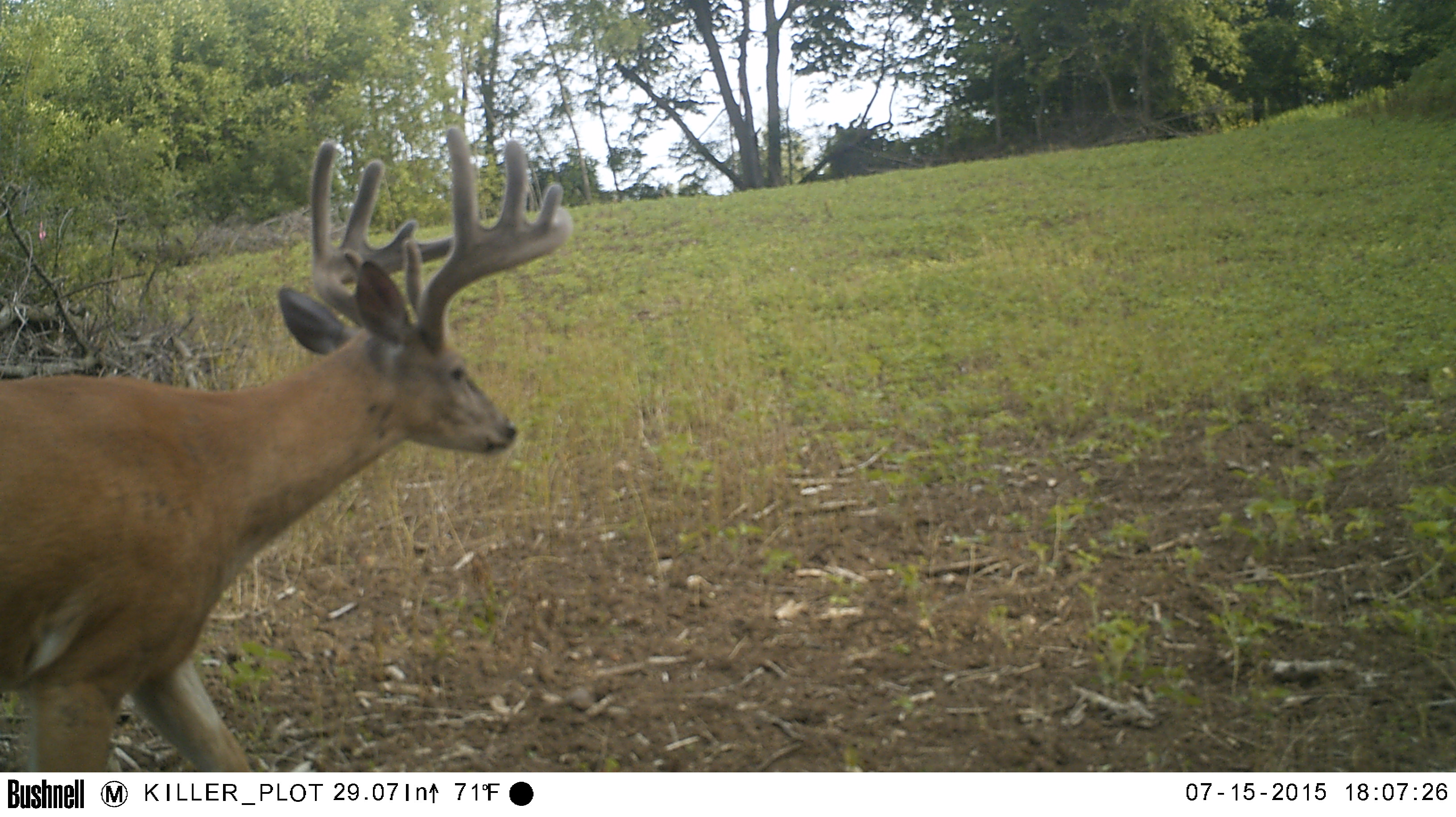
Summer Deer Scouting 2026: Trail Camera Strategies for Fall Success
Complete summer deer scouting guide with trail camera placement strategies, mineral sites, food plot planning, and inventory techniques to prepare for fall hunting season.
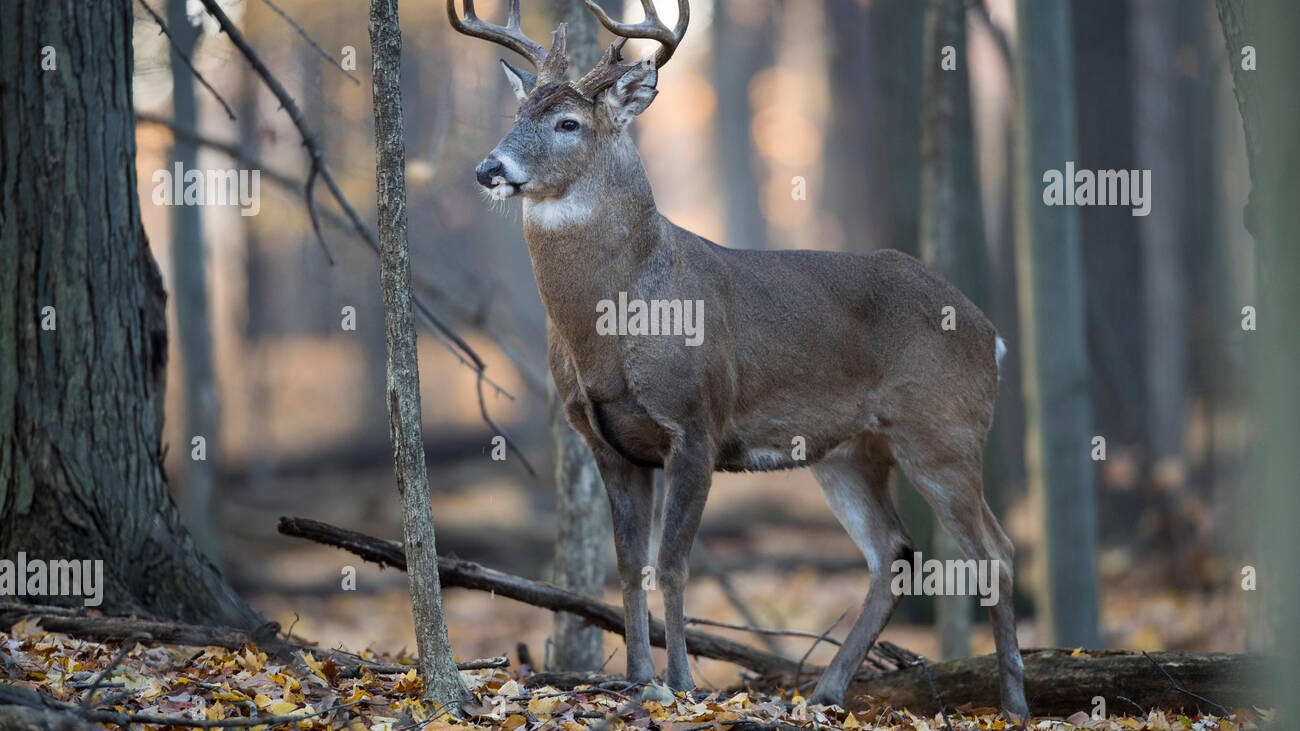
How to Hunt Pressured Deer: Advanced Whitetail Tactics
Pressured whitetails play by different rules. Learn advanced tactics for hunting mature bucks that have survived multiple seasons of hunting pressure, from scent control to unconventional stand placement.
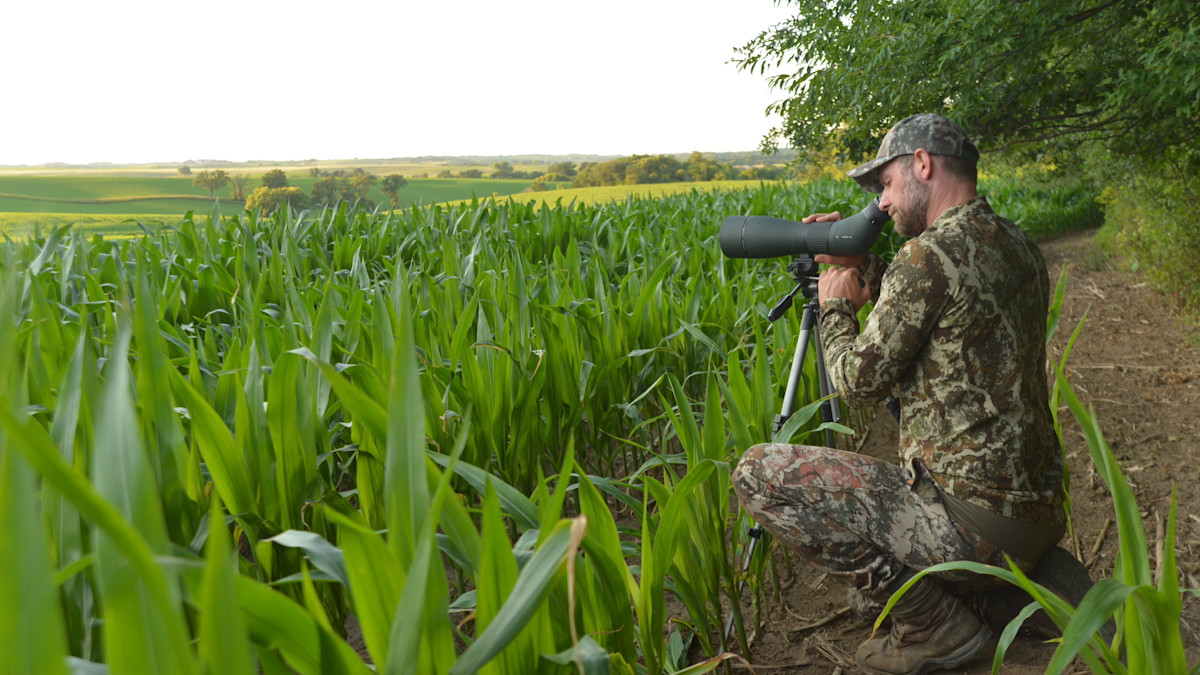
How to Scout for Deer: Pre-Season Guide
The best deer hunters start months before opening day. Pre-season scouting is the single most impactful thing you can do to increase your odds. Here's how.