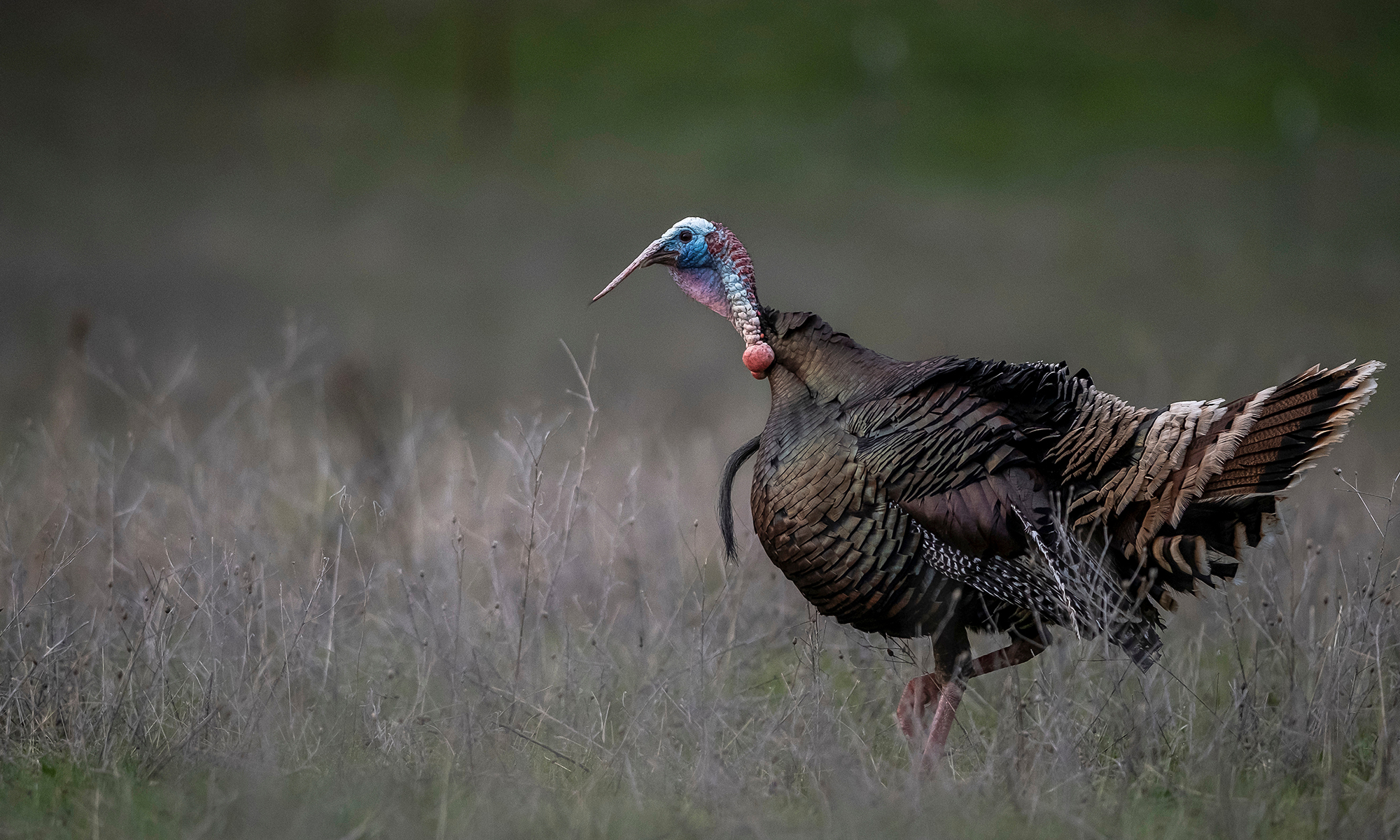
Spring Turkey Hunting Tactics 2026: Setups, Calling & Strategies That Work
Affiliate Disclosure: This article contains affiliate links. If you purchase through these links, we may earn a commission at no extra cost to you. This helps support our site and allows us to continue creating in-depth gear reviews. Our recommendations are based on independent testing and research.
Spring turkey season is the most exciting hunting experience in North America — you're matching wits with a bird that has 270-degree vision, pinpoint hearing, and an attitude that makes whitetail bucks look predictable. After 40+ years of chasing longbeards across the eastern hardwoods, I've learned that turkey hunting is 90% setup and calling, 10% shooting. Here's everything I've learned about putting gobblers on the ground.
Pre-Season Scouting: Finding the Birds
Turkey scouting starts 2-3 weeks before opener. Unlike deer scouting, turkeys are highly visible and vocal — use that to your advantage.
- Roost location: Drive roads near timber at sunset and listen for fly-up wingbeats and evening yelps. Mark locations on your GPS.
- Strut zones: Look for cleared areas near roosting timber — field edges, gas lines, logging roads. Toms return to these areas daily.
- Dust bowls: Shallow depressions in dry soil where turkeys dust-bathe. Active dust bowls mean daily activity.
- Track and sign: J-shaped droppings = tom. Coiled droppings = hen. Fresh droppings near a strut zone = gold.
- Trail cameras: Set trail cameras on field edges and strut zones 2 weeks before season.
Strategy 1: The Morning Roost Setup
The classic opening-morning strategy. If you've roosted a gobbler the night before, you know exactly where he'll be at dawn. Here's the execution:
🎯Want our complete How-To Guides checklist? Download it free — field-tested and printable.
Download Free Checklist- Arrive early: Be set up 45 minutes before first light. Use a headlamp with a red filter to navigate.
- Set up 100-150 yards from the roost tree — close enough to hear soft tree yelps, far enough that he won't see your setup.
- Deploy decoys: One hen and one jake 15-20 yards from your position, visible from the roost direction. See our decoy guide for specific recommendations.
- Wait for the first gobble. Resist the urge to call first. Let him announce himself.
- Respond with soft tree yelps — 3-5 notes, quiet and sleepy-sounding.
- When he flies down, hit him with excited yelps and cuts. He's looking for company — be the party.
Strategy 2: Run-and-Gun
When roost setups fail or you're on public land with unpredictable birds, run-and-gun is the most exciting way to hunt turkeys. You cover ground, call aggressively, and set up quickly on responding birds.
Essential gear for run-and-gun:
- Lightweight vest with built-in seat cushion
- Compact diaphragm calls (hands-free while carrying gun)
- One lightweight stake decoy (optional — adds time to setup)
- Good boots for covering 3-5 miles
The run-and-gun process:
- Stop at high points and let out a loud series of yelps or a locator call (crow, owl).
- If a gobbler responds, estimate distance and direction.
- Close half the distance quickly and quietly.
- Set up against a tree wider than your shoulders, facing the bird.
- Call again — softer this time — and let him come to you.
- If he hangs up, go quiet for 10-15 minutes, then try soft purrs and clucks.
Strategy 3: The Afternoon Ambush
Most turkey hunters quit by 10 AM. That's a mistake. Gobblers that were henned-up all morning often become lonely and responsive between 10 AM and 2 PM as hens leave to nest.
Set up on strut zones and field edges. Soft calling — purrs, clucks, feeding yelps — mimics a content hen and draws in lonely toms. This strategy works especially well mid-to-late season when toms have been pressured by morning hunters.
Calling Sequences That Work
Turkey calling is about rhythm and response. Here are battle-tested sequences (for detailed call selection, see our calling guide):
Opening Sequence (Pre-Fly Down)
Soft tree yelps: 3-5 notes, quiet. Wait 5 minutes. Repeat. Never call loudly to a roosted bird — you'll spook him.
Fly-Down Sequence
Excited yelps (8-12 notes) followed by cuts (sharp, staccato clucks). If you have a wing, beat it against your leg to simulate fly-down. This triggers his competitive instinct.
Hung-Up Bird Sequence
When a gobbler stops closing distance (usually at 60-80 yards), go completely silent for 15-20 minutes. The silence makes him think the hen walked away. If that doesn't work, try aggressive cutting or fighting purrs — two hens fighting draws toms like a magnet.
Late Morning Sequence
Soft clucks and purrs every 15-20 minutes. Contented feeding sounds. A lonely tom will investigate out of curiosity rather than excitement. Patience wins late-morning hunts.
Decoy Setup Strategies
Decoys make or break spring turkey hunting. The wrong setup can repel toms instead of attracting them. See our full decoy guide for specific model recommendations, but here are the tactical setups:
Setup 1: Breeding Pair
One feeding hen + one half-strut jake at 15-20 yards. This triggers the dominant tom's territorial aggression — he'll come in fast to drive off the jake. Position the jake facing you so the tom approaches your way.
Setup 2: Lone Hen
One feeding hen at 15 yards. Subtle and non-threatening. Best for pressured public-land birds and late season when toms have been beaten up by jake decoys. Sometimes less is more.
Setup 3: The Full Show
Full-strut tom + 2 hens. Extremely aggressive — a dominant gobbler either commits hard or walks away. Use only when you know you're dealing with a dominant 2-3 year old bird. High risk, high reward.
Patterning Your Shotgun
Before opening day, pattern your shotgun at 20, 30, and 40 yards with your actual hunting load. You need 100+ pellets in a 10" circle at 40 yards for ethical kills. Our complete patterning guide walks you through the process step by step.
Safety: The Non-Negotiable Rules
- Never stalk a gobble. Another hunter may be set up on that bird.
- Identify the full bird before shouldering your gun. No exceptions.
- Wear blaze orange when walking to and from your setup — it's not required in most states, but it could save your life.
- Don't wear red, white, or blue — these are the colors of a gobbler's head.
The Bottom Line
Spring turkey hunting rewards preparation, patience, and adaptability. Scout your birds, master your calls, set up your decoys strategically, and pattern your gun. Then let 52 years of wisdom guide you: when a gobbler goes quiet, don't chase him — let him come to you. The best turkey hunters are the ones who can sit still the longest.
Get More Gear Guides
Join 10,000+ hunters and get our free Ultimate Gear Checklist plus weekly reviews delivered to your inbox.
Share this guide:
Related Articles
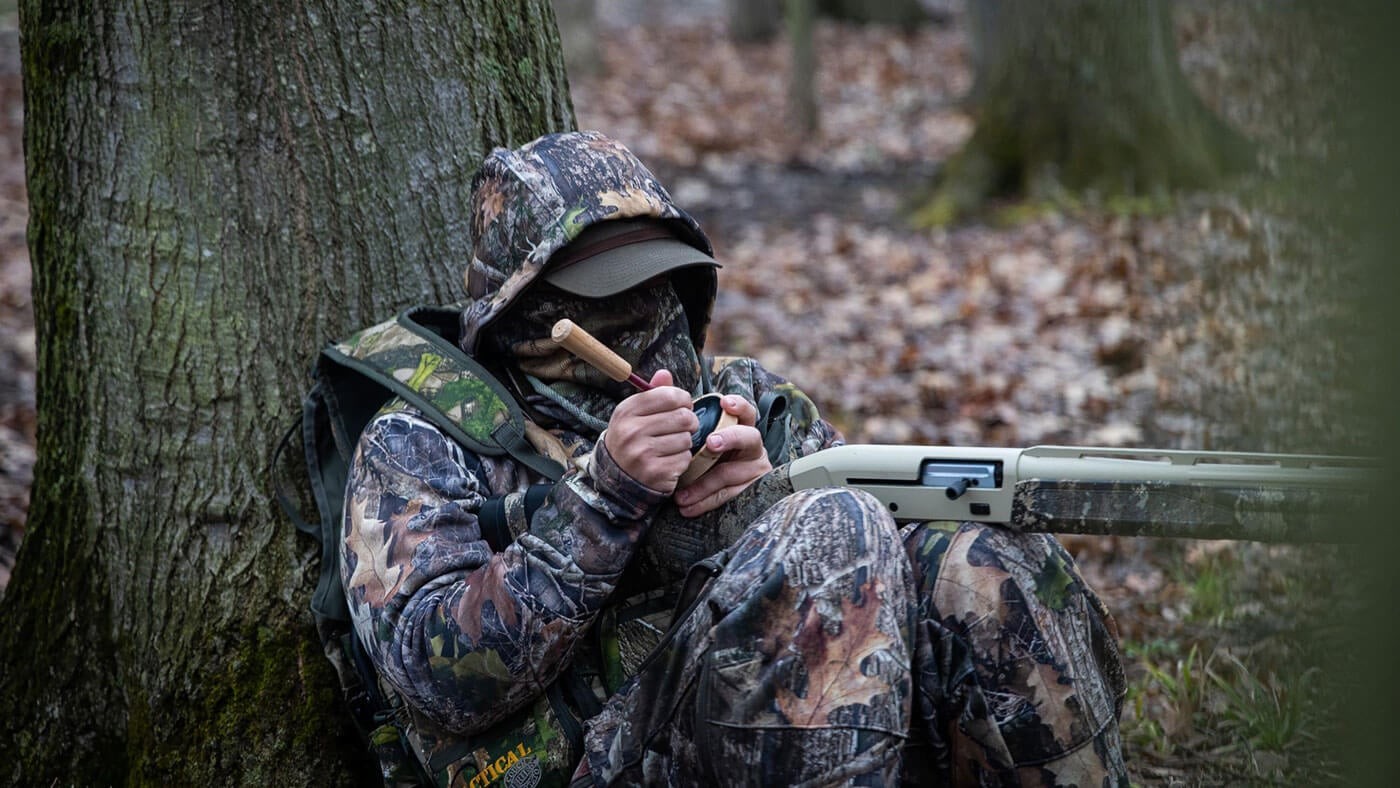
How to Call Turkeys: Complete Guide for Spring Season
Turkey calling is both art and science. Master the essential calls—yelps, clucks, purrs, and cuts—with this comprehensive guide covering call types, techniques, and real-world hunting strategies for spring gobblers.
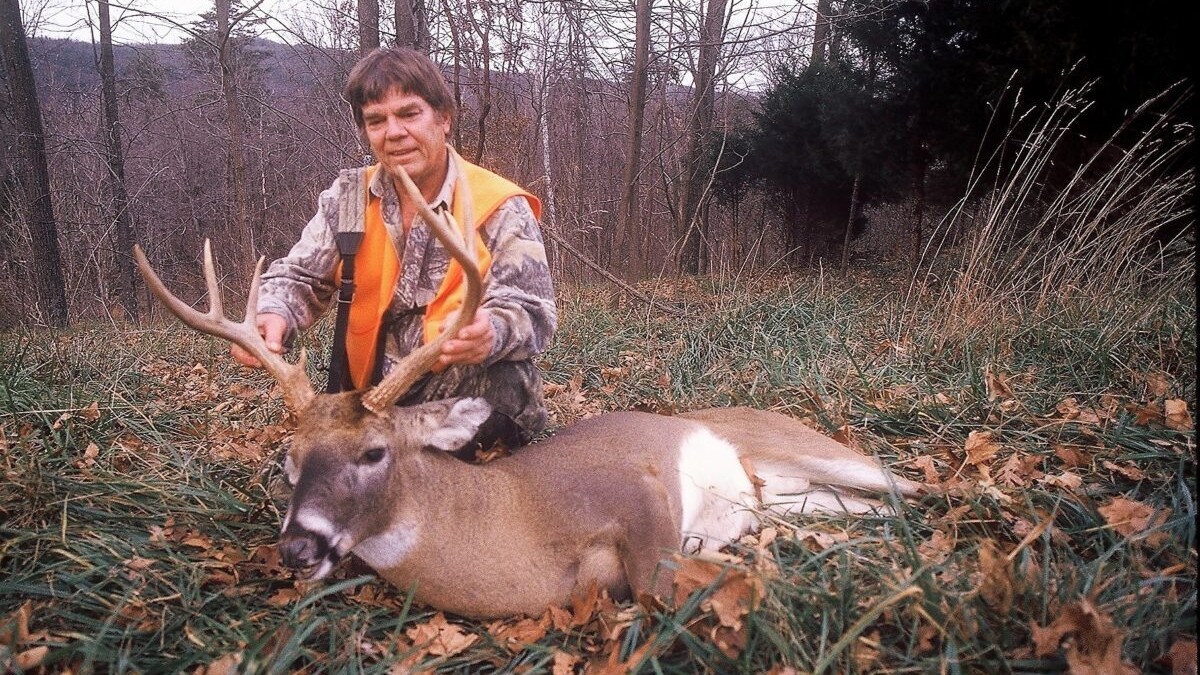
How to Field Dress a Deer: Step-by-Step Guide
Proper field dressing preserves meat quality and makes processing easier. This step-by-step guide covers everything from first cuts to cooling, with tips from five decades of deer processing experience.
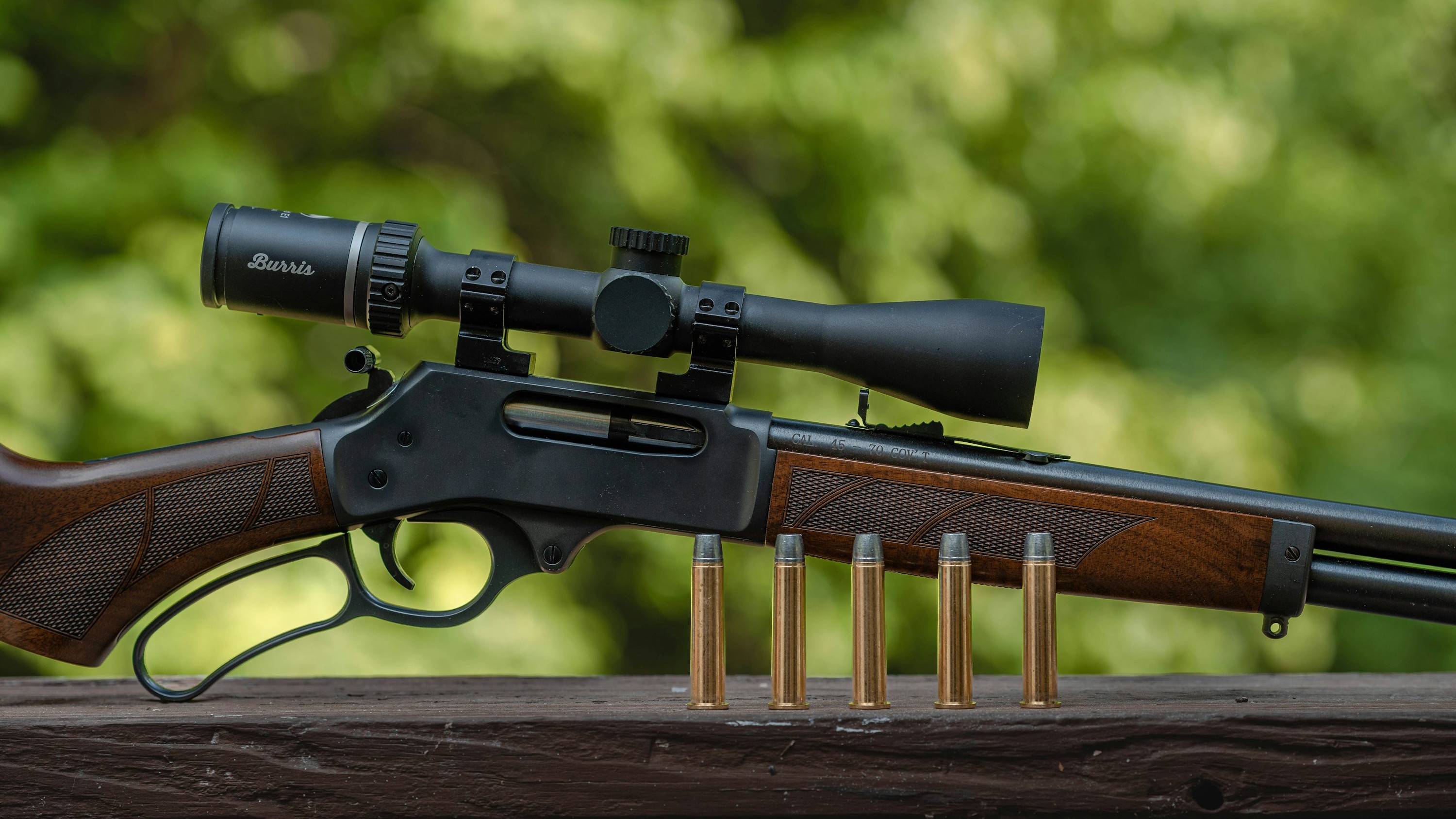
How to Zero a Rifle Scope: Step-by-Step Guide
A perfectly zeroed rifle scope is the foundation of every ethical shot. This step-by-step guide covers bore sighting, the box test, and field verification so you never miss because of bad zero.