Summer Deer Scouting 2026: Trail Camera Strategies for Fall Success
Affiliate Disclosure: This article contains affiliate links. If you purchase through these links, we may earn a commission at no extra cost to you. This helps support our site and allows us to continue creating in-depth gear reviews. Our recommendations are based on independent testing and research.
The deer season you dream about in November is built during the sweat-soaked days of June, July, and August. Summer scouting is when you take inventory of your deer herd, pattern bucks in velvet, discover new stand locations, and build the intelligence that puts you in the right tree on opening day. After 52 years of chasing whitetails, I can tell you this: the hunters who put in summer work consistently kill bigger deer.
Why Summer Scouting Matters
Summer deer behavior is different from fall behavior, but it reveals critical patterns:
- Bachelor groups: Bucks travel in groups June-August, making them easier to inventory
- Predictable patterns: Without hunting pressure, deer use the same trails and food sources daily
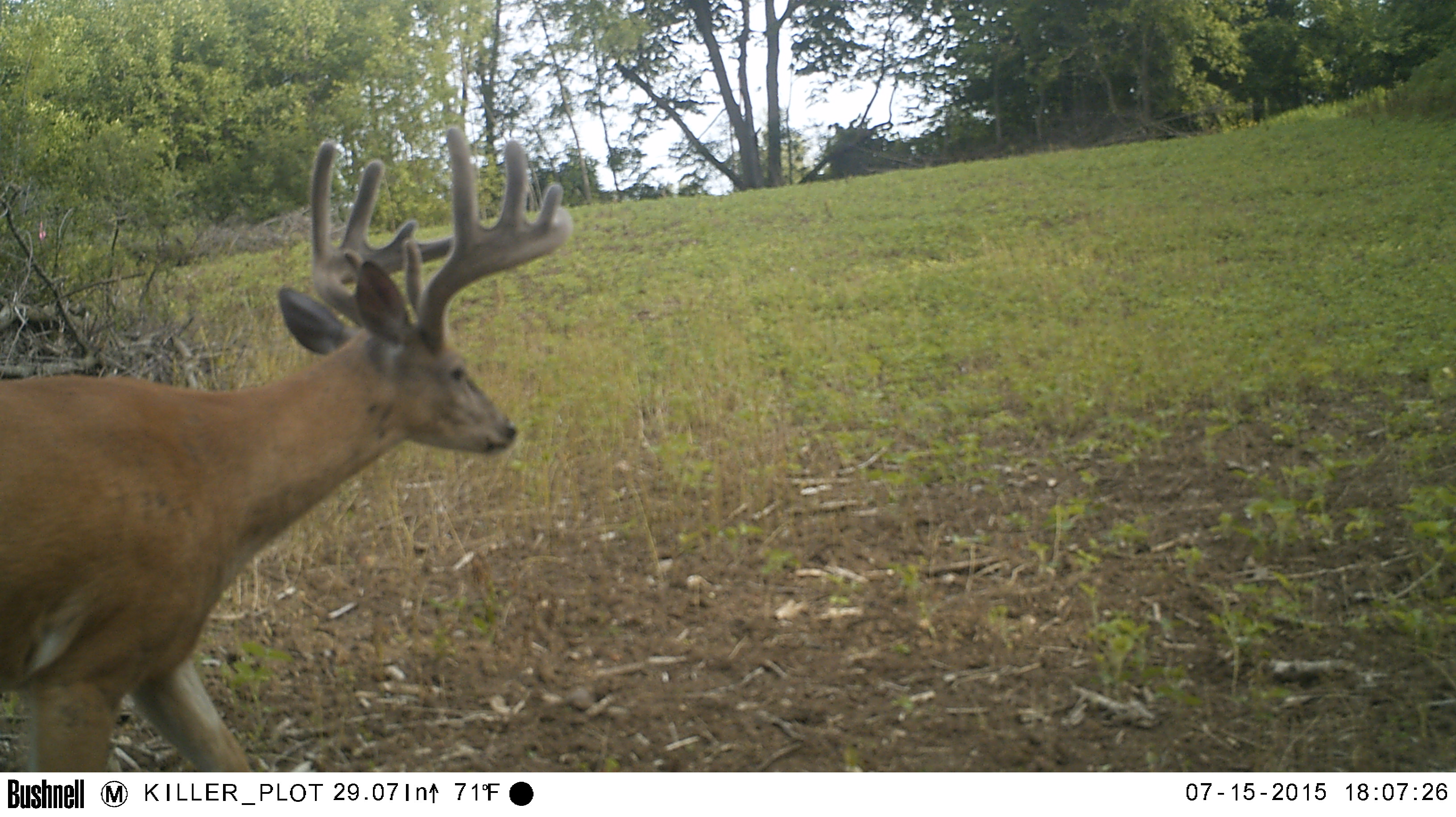
- Velvet antlers: You can identify specific bucks and track growth year to year
- New deer: Young bucks disperse in spring — summer is when you discover who moved into your area
- Zero pressure: Scouting now means less intrusion during the critical pre-rut period
Trail Camera Strategy: The Foundation
Trail cameras are the single most valuable scouting tool for summer. Here's how to deploy them effectively.
🎯Want our complete Deer Hunting checklist? Download it free — field-tested and printable.
Download Free ChecklistCamera Placement Zones (Priority Order)
- Food source edges: Bean fields, food plots, clover — where deer transition from cover to feeding. Set cameras 15-20 yards inside the timber facing the field edge.
- Water sources: In summer heat, deer water 2-3 times daily. Ponds, creek crossings, and seeps concentrate deer movement into predictable locations.
- Mineral sites: Establish mineral licks in March-April and camera them through summer. Bucks crave minerals during antler growth — a quality mineral site pulls bucks from a wide area.
- Trail intersections: Where two or more trails cross is a high-traffic funnel. These often become excellent fall stand locations.
- Bedding area perimeters: Don't intrude into bedding areas. Set cameras on trails 50-100 yards from suspected bedding to identify which bucks are using the area.
Camera Settings for Summer
- Photo mode with 3-shot burst: Captures multiple angles of each deer for identification
- 5-minute delay between triggers: Prevents memory card overload from deer lingering at mineral sites
- Time-lapse mode on food plots: Set one camera to capture an image every 5 minutes during the last 2 hours of daylight. This reveals exactly when and where deer enter the field.
- Cellular cameras at key locations so you can monitor activity without disturbing the area.
Mineral Sites: Building Buck Inventory
Mineral sites serve dual purpose — they attract bucks for camera inventory and provide nutrients that support antler growth. Here's how to set them up:
- Choose a location 50-100 yards from a known trail, near water if possible
- Dig a shallow depression (12" x 12" x 4" deep) and mix mineral with the soil
- Use a quality deer mineral with calcium, phosphorus, and trace minerals (~$15-$25 per bag)
- Refresh monthly through August
- Mount your trail camera 10-15 feet away at waist height, facing north to avoid sun glare
🔗 Shop Deer Minerals on Amazon
Creating a Buck Inventory
By mid-July, you should have a catalog of bucks using your area. Create a simple spreadsheet or notebook:
- Name/ID: Identify bucks by unique features — tine configuration, body size, markings
- Estimated age: Body shape matters more than antlers. Mature bucks (4.5+) have swayed backs, pot bellies, and thick necks even in summer.
- Location frequency: Which cameras capture each buck most often? This reveals core home range.
- Time patterns: Note whether bucks are mostly daylight or nocturnal at each location.
- Travel direction: Which direction is the buck coming from and going to? This helps identify bedding areas.
Food Plot Strategy for Fall
Summer is planting season for fall food plots. Even small plots (1/4 to 1 acre) dramatically improve your hunting:
- Brassicas (turnips, radishes): Plant July-August. Deer ignore them until the first hard frost converts starches to sugars, then they become irresistible through December.
- Winter wheat/oats: Plant August-September. Provides green forage when everything else is brown.
- Clover: Plant in spring for year-round attraction. Red and crimson clover are deer magnets.
🔗 Shop Food Plot Seed on Amazon
Stand Location Planning
Use your summer intel to pre-plan fall stand locations. Mark these on your GPS:
- Early season (Sept-Oct): Food source stands — deer are predictable and food-focused
- Pre-rut (late Oct): Trail intersection stands between bedding and food
- Rut (Nov): Funnel stands — terrain features that concentrate deer movement
- Late season (Dec-Jan): Food source stands again — surviving deer become food-focused
Hang stands and cut shooting lanes in August when leaves are full and deer are least disturbed by human activity. See our pre-season scouting guide for detailed stand selection criteria, and consider saddle hunting for maximum flexibility.
Summer Scouting Timeline
| Month | Tasks |
|---|---|
| March-April | Establish mineral sites, deploy initial cameras, look for shed antlers |
| May | First velvet photos appear, begin buck inventory, plant spring clover plots |
| June | Bachelor groups form, add cameras to water sources, begin identifying target bucks |
| July | Peak velvet growth, food plot prep, finalize buck inventory, plant brassicas |
| August | Hang stands, cut shooting lanes, final camera check, plant wheat/oats, practice shooting |
Gear Checklist for Summer Scouting
- Trail cameras (minimum 5-6 for a thorough inventory)
- Cellular cameras for key locations
- GPS unit for marking locations
- Binoculars for field-edge observation
- Deer mineral supplement
- SD cards and batteries (stock up — summer heat drains batteries faster)
- Bug spray / Thermacell
- Quality boots for summer hiking
The Bottom Line
Summer scouting is the highest-ROI activity in deer hunting. The intelligence you gather now directly translates to bigger bucks in November. Deploy your cameras strategically, build your buck inventory, plant food plots, and prepare your stands. When opening day arrives, you won't be guessing — you'll be executing a plan built on months of data. That's the difference between hunting and just sitting in a tree hoping.
Get More Gear Guides
Join 10,000+ hunters and get our free Ultimate Gear Checklist plus weekly reviews delivered to your inbox.
Share this guide:
Related Articles
How to Hunt Pressured Deer: Advanced Whitetail Tactics
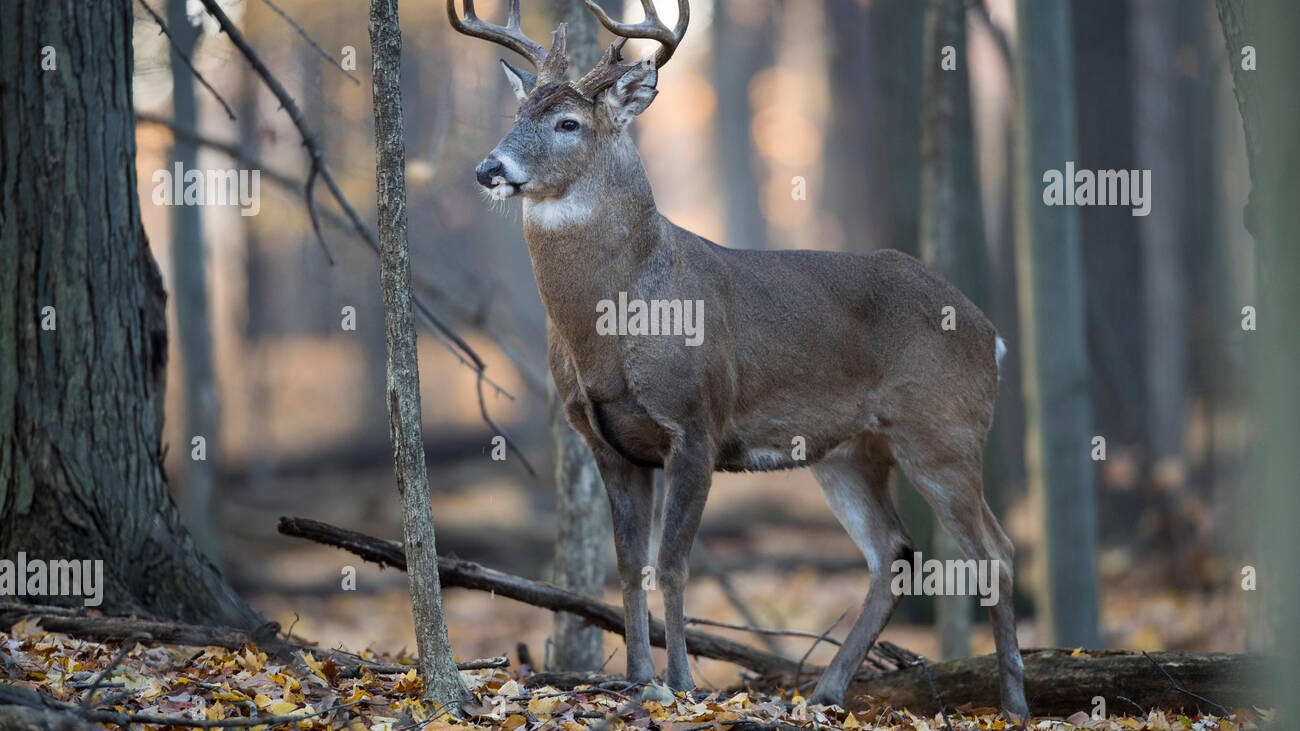
Pressured whitetails play by different rules. Learn advanced tactics for hunting mature bucks that have survived multiple seasons of hunting pressure, from scent control to unconventional stand placement.
How to Hunt Public Land Deer: Tactics That Actually Work
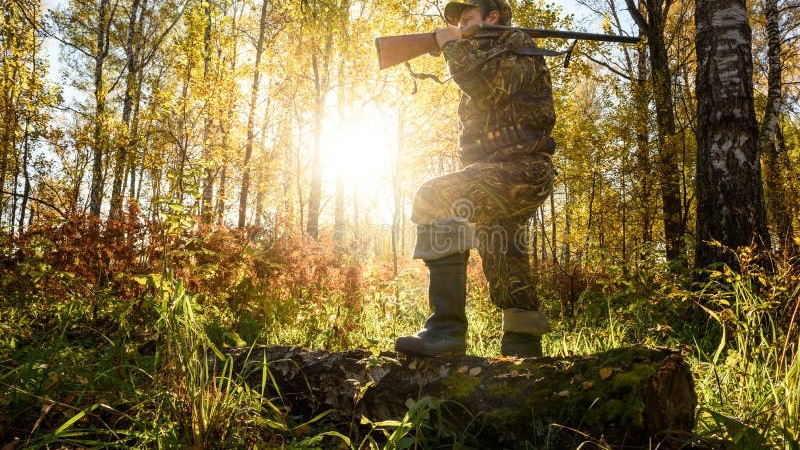
Public land deer hunting demands different tactics than private property. Learn proven strategies for scouting, stand placement, and outsmarting pressured whitetails on state and federal land.
How to Scout for Deer: Pre-Season Guide
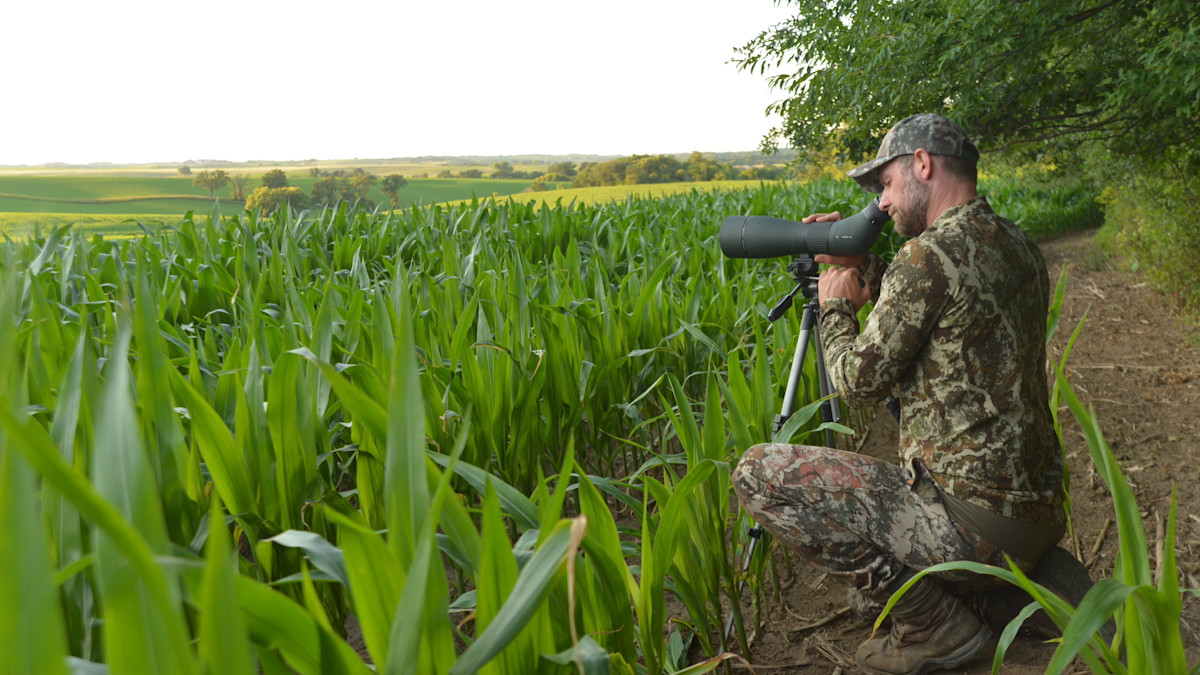
The best deer hunters start months before opening day. Pre-season scouting is the single most impactful thing you can do to increase your odds. Here's how.